Loading...
When you think of a farm building, you probably picture a big red wooden barn. That’s the classic image! Modern farms and ranches need a structure that is strong, flexible, and easy to manage. That’s where an agriculture metal barn comes in. They are not just for storing hay or tractors anymore. Today, these steel buildings can be used for everything from sheltering animals to running high-tech farming operations.
The agricultural sector is expected to grow at 8.4% from 2024 to 2030, with pre-engineered metal buildings gaining traction due to their durability, cost-efficiency, and advantages over traditional wood or low-rise structures. [source:
Why Choose Ag Metal Buildings?
- Steel, The New Standard: Rising lumber costs and labor shortages have pushed farmers to opt for an option that’s cost-effective and low in upkeep in the long run.
- Built For American Weather: A certified steel structure can withstand snow loads of up to 80 PSF and wind speeds of up to 180 mph, making it a reliable shelter for tools, animals, and farm equipment.
- Sustainability And Long-Term Value: Structural steel is 100% recyclable and can be reused without losing strength and durability. You can expand or reuse it easily.
Top 5 Creative Agricultural Uses Of Steel Buildings
1. Livestock Shelters
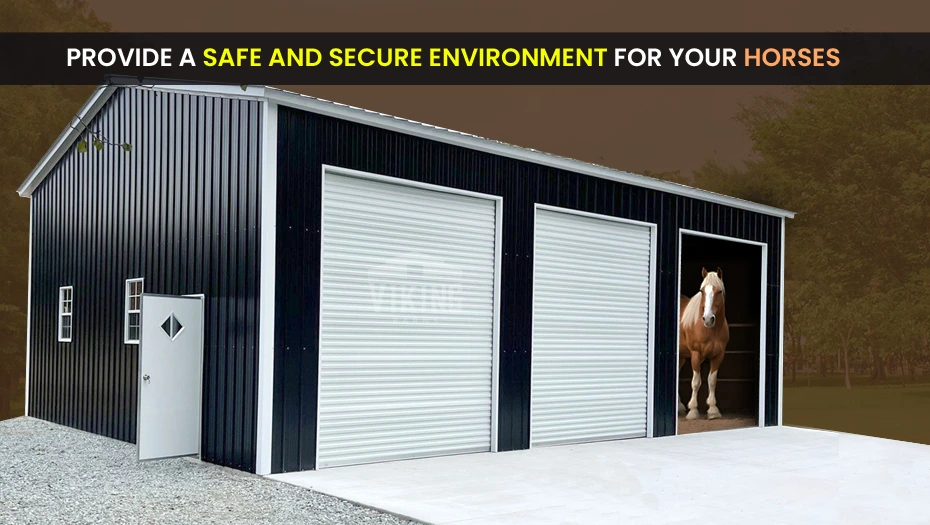
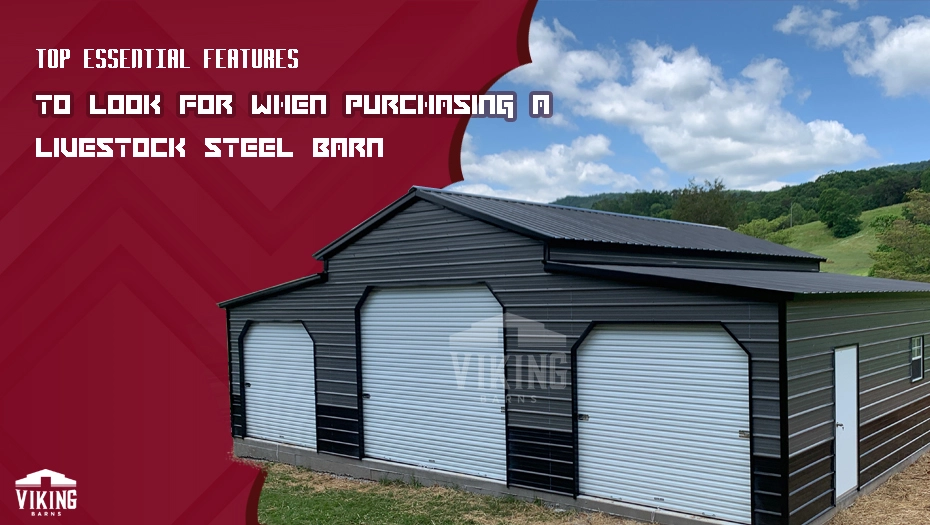
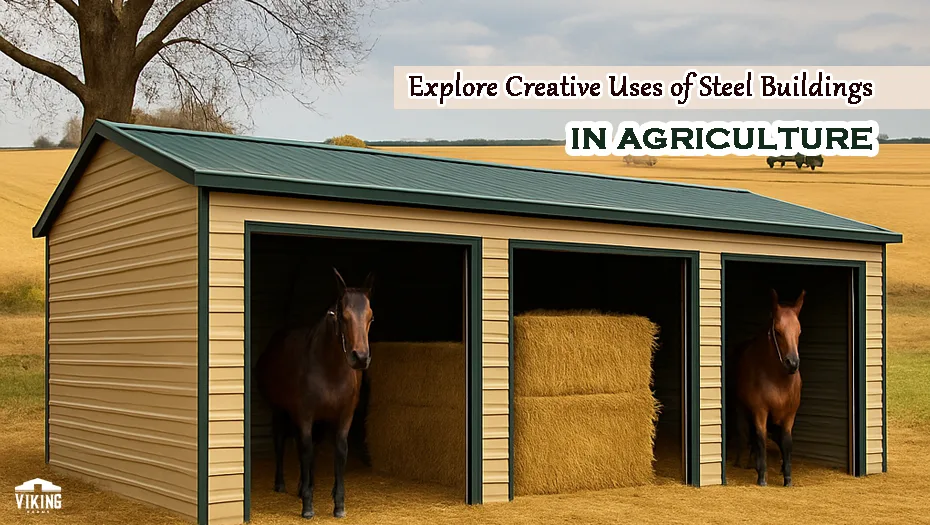
Farmers can build special steel shelters for cows, pigs, chickens, and even horses. These barns help in keeping animals warm in winter and cool in summer thanks to fans, vents, and various types of insulation for metal prefab barns. Steel livestock barns are also easy to clean and keep pests away, making them great for animals’ health and comfort.
Some large animals like horses need big and open riding arenas with no poles in the way so they can gallop safely inside, even during storms or hot summer days. A rancher can choose a metal riding arena with open sides to let fresh air flow in and for natural lighting.
2. Crop Storage And Processing
Thinking of a sturdy and weatherproof space to store grain bins, or want a cooler/ processing zone? Opt for a steel building for agriculture use! You can store grains, hay, veggies, and fruit in cool, dry spots to stop mold and spoilage. You can customize a steel storage shed by adding wide doors so tractors and forklifts can drive in and out easily.
For large processing units, you can choose a clear span design and divide the interior into special zones for sorting, packing, and drying crops. This saves farmers’ money and keeps the product fresh for longer.
Tip: Farmers can store potatoes in regular sheds and keep wine grapes in climate-controlled rooms to prevent squishiness.
3. Greenhouse And Controlled Farming
With the US hydroponic market size estimated to be around $5.45 billion in 2025, growing food indoors has become prevalent. You can choose 12-gauge steel structures that hold up giant greenhouses where farmers can grow lettuce, tomatoes, or even fish and veggies (in aquaponics).
Farmers can add plumbing for water systems, light controls, and fans to grow crops anytime, even during snow. A metal structure can be as tall as 80 ft. and more, offering ample height for vertical farming that saves space and grows more in tall stacks.
Did You Know: Hydroponics means plants grow with water and nutrients, not soil. It’s clean, cool, and great for cities too!
4. Workshops And Repair Bays
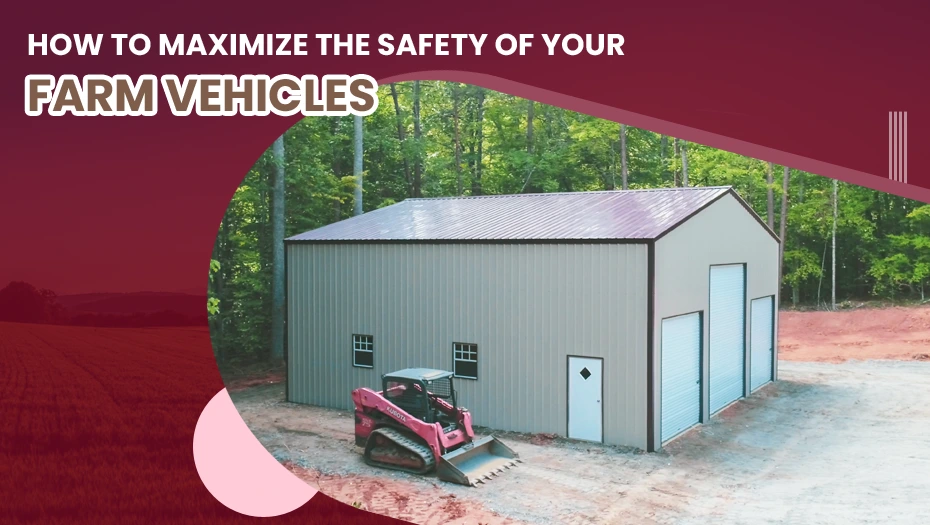
Big farm machines need wider repairing and maintenance areas. A large and wide steel garage protects big equipment and vehicles (like harvesters, tractors, and crop dusters) safe from rusting, rain, harsh UV rays, and vandalism. Farmers can add pits, benches, and bright lights inside it for fixing tools and machines quickly.
This reduces upkeep needs and saves time as farmers don’t have to wait for city repair shops to get things fixed on time. With high ceilings and wide doors (or frameouts), full-size or row crop tractors can roll in and out without any problem.
5. Agribusiness Facilities
Planning, paperwork, and payroll, ag metal buildings can support it all! Not everything on a farm has to do with dirt. There is a lot of planning, such as managing schedules, keeping track of money, monitoring livestock health records, and more. Farm and ranch owners can use a metal office building as a cozy, quiet, and separate space (from noisy work zones).
Tip: An attached lean-to can store hay and feed safely, keeping moisture and pests out.
Another smart idea will be to add an on-site food prep for markets and shops. For example, farmers can use steel ag structure for making jams, processing milk, and meat. This means fewer trips to big factories, cutting down on operational costs, and fresh food available for buyers. With a steel farm building, farmers can meet government rules for clean food-making space (USDA-approved).
Three Unexpected Uses Of Metal Ag Building Beyond Basic Farming
1. Research And Innovation Labs
Farmers and agriculture scientists can use a steel farm building to test soil, grow new seeds, and study crops in a clean, controlled environment. This can help in testing out new farming ideas, like how plants grow better with certain fertilizers or how drones can fly over fields to check for bugs. These steel barns are easy to maintain and provide a safe and secure room for delicate tools and machines used for testing.
Some farm structures can be customized with special air filters (called HEPA) and fancy lights to grow new plant varieties, or even study plants’ biology.
2. Beekeeping And Mushroom Cultivation
Beekeepers can use Seneca steel barns to store hives, make honey, and keep bees warm during colder months. It’s easy to clean with warm water and mild soap and keep pests away (like ants or mice). Similarly, mushroom farmers can use an insulated steel shed with the right temperature, humidity, air vents, and water sprayers to make an indoor environment ideal for mushrooms to grow.
3. Farm Venue And Agritourism
You can also start your own wineries or breweries to ferment drinks, store big metal tanks, and set up cozy tasting rooms with simple steel structures buying tips. Tourists visit these places to learn how food is made, try fresh snacks, and celebrate in style.
A steel building for agriculture provides open space, bright displays, and safe checkout areas that welcome customers all year long. These structures can also be an event venue. With tall ceilings and rustic charm, they can easily become a party place or a place for hosting farm weddings.
From Barn To Business Hub, Discover The Versatility Of Steel For Your Farm!
A metal ag building is not just tough, but a game changer for agriculture as they help farm, ranch, and agribusiness owners do more with less effort and last for decades. From protecting tractors and livestock to handling tough weather, pests, and daily wear, these structures give a strong ROI, boost productivity, and are easy to set up on any farmland.
Related articles