


Metal Riding Arenas
Get the Best Metal Riding Arenas for Your Horses and Seamless Riding Sessions!
Need help? Call us at +1 (704) 579-6966 for a free consultation.
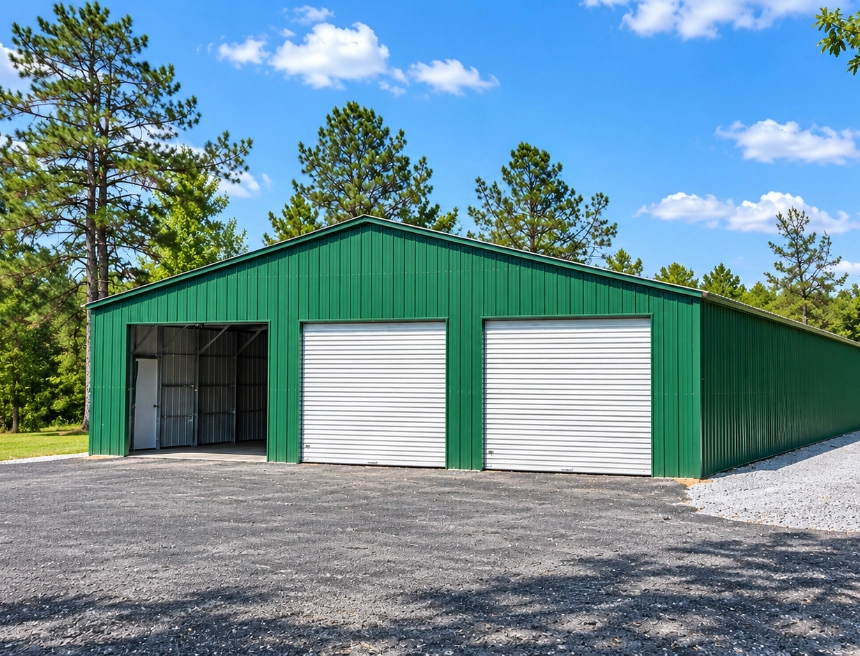
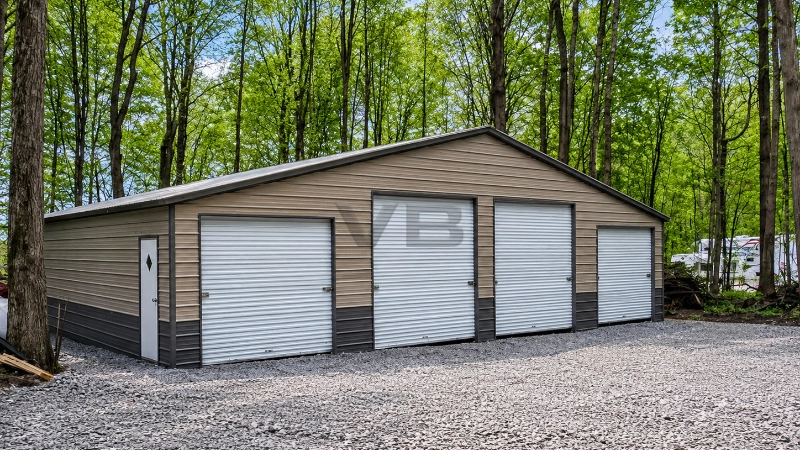
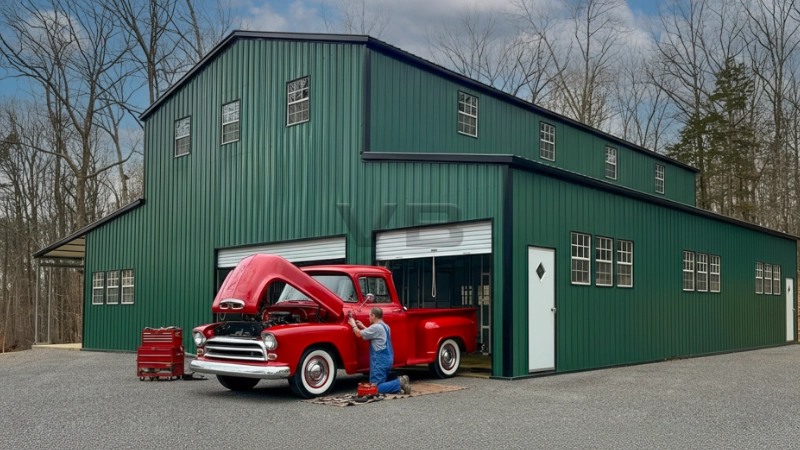
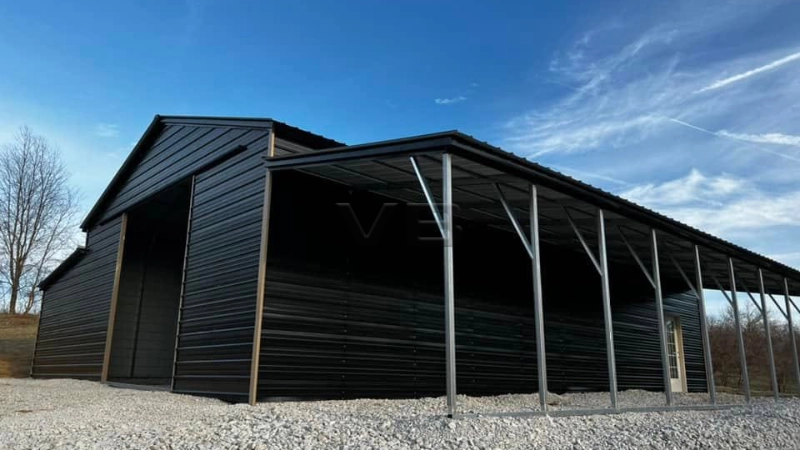



What Is a Metal Riding Arena?
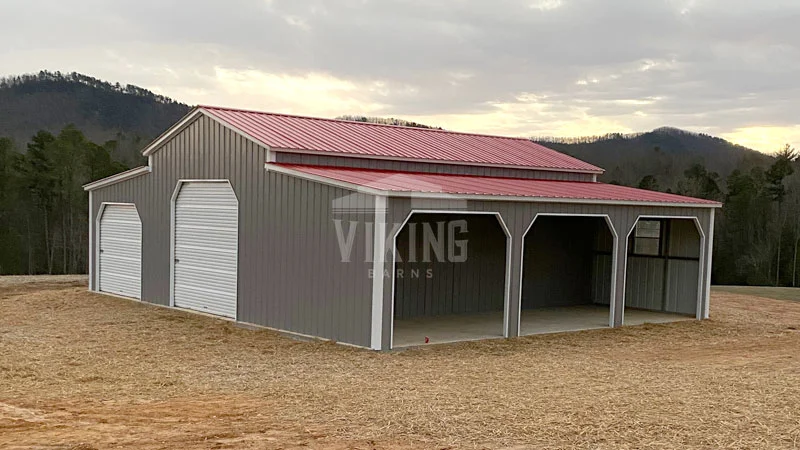
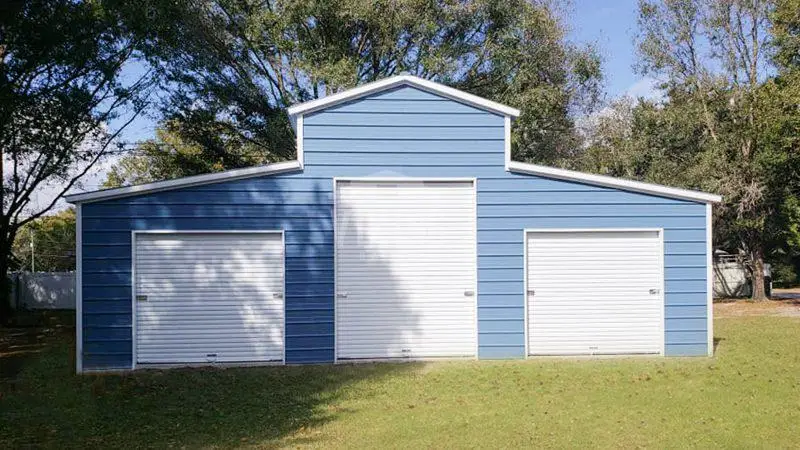
A metal riding arena is a pre-engineered steel structure designed specifically for equestrian use — giving you a covered, weather-protected space for riding, training, and working with horses year-round.
Unlike traditional construction, steel arena buildings are manufactured off-site and assembled at your property by a professional installation crew. That means a faster build timeline, consistent quality, and a finished structure that’s engineered to meet your local building code requirements.
Metal riding arenas come in two main configurations:
- Covered Indoor Arenas: Fully enclosed or semi-enclosed buildings with roof, walls, doors, and ventilation. Ideal for year-round use in any climate. Provides maximum protection for horses and riders.
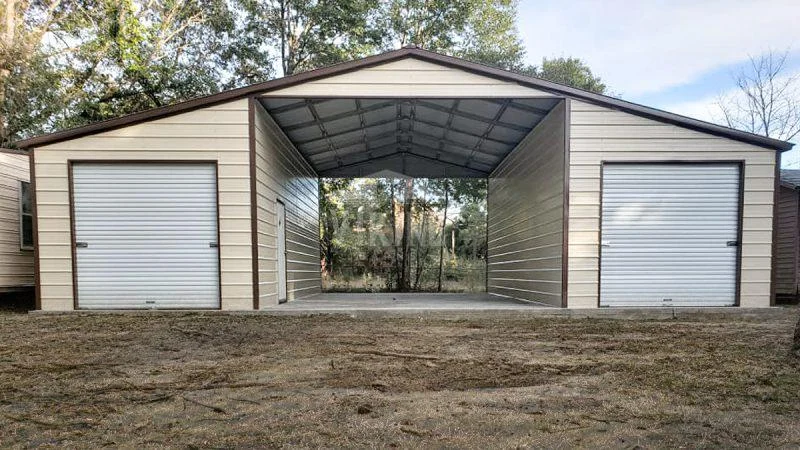
- Open-Sided or Roofed Arenas: A roof structure with open or partial sides. Offers weather protection from rain and sun while maintaining open airflow. Popular in warmer climates where full enclosure isn’t needed.
Both configurations are fully customizable in size, wall height, roof style, color, and add-on features like stalls, tack rooms, and wash bays.
What Size Riding Arena Do You Actually Need?
This is the question most buyers get wrong — and most competitors ignore entirely.
Getting the size right from the start is critical. Too small and you’re compromising your training. Too large and you’re paying for space you don’t need. Here’s a practical guide based on standard equestrian discipline requirements.
Standard Arena Sizes by Discipline
|
Discipline |
Recommended Size | Ideal Size |
|
Dressage (small) |
66×131 ft (20×40 m) | 66×197 ft (20×60 m) |
| Dressage (standard) | 66×197 ft (20×60 m) | 66×197 ft with warm-up space |
| Western Pleasure / Trail | 100×150 ft | 100×200 ft |
| Barrel Racing | 100×200 ft | 130×260 ft |
| Calf Roping / Team Roping | 130×250 ft | 150×300 ft |
| Jumping / Hunter | 100×150 ft | 100×200 ft |
| General Training / Pleasure Riding | 60×120 ft | 80×160 ft |
| Multi-Discipline / Boarding Facility | 100×200 ft |
120×240 ft+ |
Important Sizing Considerations
Add clearance to your riding dimensions. The actual steel building needs to be larger than your riding surface. Plan for at least 4–6 feet of clearance on the sides and ends to keep riders safely away from walls.
Wall height matters more than most buyers realize. For most disciplines, a minimum 14-foot eave height is recommended. Competition arenas and facilities used for jumping typically need 16–20 feet to allow full movement, natural light, and proper ventilation.
Consider what comes next. If you’re planning to add a viewing area, attached stalls, a tack room, or a wash bay — factor that into your initial footprint. Expanding later is possible but costs more than building right the first time.
If you’re unsure about the right size for your specific setup, contact the Viking Barns team — they’ll help you work through the dimensions before you commit.
Why Choose Steel Riding Arenas Over Traditional Construction?
Horse owners who’ve built with traditional wood or pole construction already know the answer. But if you’re comparing options for the first time, here’s why steel riding arena buildings come out ahead in almost every category.
No Interior Columns — Full Clear Span
This is non-negotiable for equestrian use. A clear span steel arena building has zero interior support columns interrupting the riding surface. That means no obstacles, no collision hazards, and complete freedom of movement for horse and rider.
Traditional pole barns and post-frame construction often require interior posts — which are a genuine safety issue in a riding environment. Explore Viking Barns’ clear span metal barn options to understand how this is achieved in steel.
Durability Built for Decades
Steel framing doesn’t rot, warp, split, or attract termites. Galvanized and Galvalume-coated steel panels hold up against moisture, UV exposure, and temperature swings that cause wood to fail over time.
A properly installed steel horse arena will still be performing 40–60 years from now. Most wood structures show serious deterioration within 10–15 years — especially in humid, coastal, or high-rainfall regions.
Year-Round Riding in Any Climate
Covered metal riding arenas protect your training schedule from rain, snow, wind, and extreme heat. Whether you’re in the Pacific Northwest where it rains constantly, the Upper Midwest where winters are brutal, or the Gulf South where summer heat limits outdoor riding — an enclosed steel arena solves the problem permanently.
Faster Installation Than Any Alternative
Traditional construction on an arena of this scale can take months — permitting, framing, siding, roofing, all stretched out over a long timeline. A prefab steel riding arena building from Viking Barns is typically installed in 3–7 days depending on size. Your facility goes from concept to rideable in a fraction of the time.
Lower Lifetime Cost
Steel requires virtually no ongoing maintenance. No repainting. No replacing rotted boards. No termite control contracts. No structural repairs from weather damage. When you account for the total cost over 20–30 years of ownership, steel riding arenas consistently come out less expensive than wood — despite sometimes having a similar or higher upfront price.
Engineering Certifications Available
Need a building that meets local code for wind speed or snow load? Viking Barns offers engineer-certified steel arena buildings with stamped drawings that satisfy permit requirements in virtually every U.S. jurisdiction.
Types of Metal Riding Arenas
Small Training Arenas (60×120 ft to 80×160 ft)
Perfect for private home properties with one or two horses. Ideal for pleasure riding, basic training, groundwork, and lunging. Small steel riding arenas fit on most rural residential lots without requiring a massive site footprint.
Compact, fast to install, and one of the most affordable covered riding facilities available.
Mid-Size Riding Arenas (80×160 ft to 100×200 ft)
The most popular size range for serious private facilities. Fits dressage, western disciplines, jumping, and general training without compromise. If you’re building a facility for multiple horses or plan to give lessons, this is the sweet spot.
A metal horse arena in this size range also gives you enough room to add a viewing rail, seating area, or attached tack room without cramping the riding surface.
Large Competition-Grade Steel Arenas (100×200 ft and larger)
Built for boarding facilities, training centers, breed shows, and multi-discipline events. These are full-scale steel arena buildings that accommodate multiple riders simultaneously, host clinics and competitions, and serve as the centerpiece of a professional equestrian operation.
Viking Barns custom-builds competition arenas at any dimension — including oversize clear span buildings for facilities that require maximum unobstructed space.
Indoor Arenas with Attached Stalls and Amenities
Combine your covered riding facility with a functional horse operation. Viking Barns builds integrated complexes that include:
- Attached horse stall runs for direct indoor-to-arena horse access
- Tack rooms and feed rooms
- Wash bays with drainage
- Observation or viewing areas for trainers and spectators
- Lean-to extensions for additional covered space
Explore Viking Barns’ horse barn options if you’re planning a full-facility build that combines stalls with an arena.
Fully Custom Steel Riding Arena Buildings
If your property has an unusual shape, specific dimensional requirements, or a layout that doesn’t match standard sizes — a custom steel riding arena building is the answer.
Every dimension is configurable: width, length, eave height, roof pitch, door size and placement, window layout, color, insulation, and add-on structures. Viking Barns’ team works with you to design a building that fits your land and your training program. See all custom steel barn options here.
Key Features of Steel Arena Buildings
Roof Styles
- Regular Roof: Horizontal roof panels with curved corners at the trim. Entry-level pricing, best suited for mild climates with minimal precipitation. Not the recommended choice for arenas due to water pooling risk.
- Boxed-Eave Roof: Classic A-frame profile with horizontal panels. Better curb appeal and a step up in performance over regular roofs. A reasonable option for moderate climates.
- Vertical Roof: The recommended choice for all riding arenas. Roof panels run vertically, channeling rain and snow off the building efficiently. Vertical roofs carry the highest wind and snow load certifications and perform best in every U.S. climate. For a structure this important — and this size — always choose vertical.
Wall Height
For riding arenas, standard wall heights (6–10 ft) used in smaller storage buildings are not appropriate. Recommended minimums:
- General pleasure riding: 12–14 ft eave height
- Western disciplines and jumping: 14–16 ft eave height
- Competition and multi-discipline facilities: 16–20 ft eave height
- RV storage or oversized equipment access: 20 ft+
Taller walls also improve natural light, ventilation, and the overall feel of the riding environment.
Doors and Entry Points
Horse safety starts with the right door configuration. Options include:
- Large sliding doors (10–14 ft tall) for horse-and-rider entry — the most common choice for arena access
- Roll-up doors for equipment and vehicle entry
- Walk-in steel doors for separate rider and spectator access
- Double entry points at both ends of the arena for traffic flow during lessons and clinics
Ventilation and Natural Light
Large arenas need active ventilation to manage air quality, moisture, and temperature. Options include:
- Ridge vents running the length of the roof peak
- Sidewall vents for cross ventilation
- Translucent roof panels or skylights for natural light without heat buildup
- Open eave options for maximum airflow in warmer climates
Color Options
Choose from 15–20 standard panel and trim colors to match your property’s existing structures or your personal preference. Popular equestrian combinations include classic red/white, charcoal/white, green/white, and brown/tan.
Certifications
For jurisdictions that require building permits, Viking Barns provides engineer-certified steel riding arena buildings with stamped drawings that meet local wind speed and snow load requirements. Certifications are available for all 50 states.
Customization: Build Your Arena Your Way
One of the greatest advantages of a prefab steel riding arena is that customization doesn’t mean starting from scratch — it means configuring from a proven system.
Here’s what you can add or adjust:
- Dimensions: Any width, length, and eave height to the foot
- Attached horse stalls: Built directly into the arena structure for seamless indoor access
- Tack room and feed room: Enclosed, lockable rooms within the building footprint
- Wash bay: Drain-ready bay for post-ride horse care
- Observation area: Enclosed or open viewing section for trainers, owners, or spectators
- Lean-to extensions: Covered warm-up or cool-down areas attached to the main building
- Insulation: Roof and wall insulation for year-round temperature management
- Electrical rough-in: Plan ahead for lighting, outlets, and fans during installation
- Concrete or ground anchoring: Choose the anchoring method appropriate for your foundation type
Metal Riding Arena vs. Traditional Wood Arena
| Category | Metal Riding Arena | Wood / Pole Arena |
| Lifespan | 40–60+ years | 15–25 years |
| Maintenance | Very low | High (paint, rot, pest control) |
| Install Time | 3–7 days | Weeks to months |
| Interior Columns | None (clear span) | Often required |
| Pest Resistance | Excellent | Poor |
| Fire Resistance | Good | Poor |
| Weather Resistance | Excellent (certified) | Moderate |
| Certification | Available for all codes | Complex, expensive |
| Customization | High | High |
| Long-Term Cost | Lower | Higher |
What Does a Metal Riding Arena Cost?
Pricing varies based on size, roof style, wall height, customization, and your delivery location. Here’s a realistic starting range to help with your planning:
General Price Ranges
| Arena Size | Approximate Installed Price |
| 60×120 Small Training Arena | $28,000 – $45,000 |
| 80×160 Mid-Size Riding Arena | $45,000 – $75,000 |
| 100×200 Full-Size Arena | $75,000 – $120,000 |
| 120×240 Large Competition Arena | $110,000 – $175,000 |
| Custom / 150×300+ | Request Custom Quote |
Prices are general estimates and vary significantly by zip code, configuration, certifications, and site conditions. Contact Viking Barns for an accurate quote specific to your location and build.
What Affects Your Final Price
- Size: The single biggest factor. Larger buildings cost more overall but less per square foot.
- Roof Style: Vertical roofs cost slightly more than boxed-eave or regular — worth every penny for a structure this size.
- Wall Height: Taller eaves require more material and may affect engineering requirements and cost.
- Doors: Large sliding horse doors, roll-ups, and walk doors each add to the base price.
- Certifications: Engineer-stamped drawings for permits add cost but are required in many jurisdictions.
- Add-Ons: Stalls, tack rooms, wash bays, lean-tos, and insulation all affect the final number.
- Site Conditions: Delivery to remote properties or areas with difficult access may carry additional charges.
- Foundation: Not included in building price. A gravel base is the minimum; a concrete slab is recommended for permanent arenas and required in some jurisdictions.
Site Preparation and Footing: What You Need to Know Before You Build
This is a section most competitors skip — and it’s one of the most important parts of building a functional riding arena.
Your steel riding arena building is only as good as what it sits on. Before installation begins, your site needs to be properly prepared.
Site Grading and Drainage
The building site must be level and well-drained. Poor drainage leads to mud, moisture buildup inside the arena, and long-term footing problems that affect horse health. Grade the site so water drains away from the building footprint on all sides.
Foundation Options
- Compacted Gravel Base: The most common and affordable option for arenas. Provides stable anchoring and good drainage. Recommended for most installations.
- Concrete Slab: Required in some jurisdictions and preferred for facilities where cleanliness and surface consistency are priorities (wash bays, tack rooms, stall areas). Adds cost but provides maximum stability.
- Concrete Perimeter Footings: A middle-ground option — concrete around the perimeter for anchoring with gravel or compacted base in the riding area.
Arena Footing (Inside the Building)
The steel structure sits around your riding surface — but the footing inside is a separate consideration. Common footing materials for covered arenas include:
- Sand: Most popular. Affordable, easy to maintain, forgiving for horses’ joints.
- Sand and rubber blend: Better cushioning, reduced dust. Popular for high-use facilities.
- Stone dust (decomposed granite): Firm and consistent. Common in roping and western arenas.
- Manufactured arena footing: Premium blends designed for specific disciplines.
Viking Barns focuses on delivering and installing your steel arena structure. Footing selection and installation is typically handled separately — but the team can point you in the right direction during the planning process.
The Installation Process: From Quote to First Ride
Here’s exactly what to expect when you order a steel riding arena from Viking Barns:
- Step 1 — Get Your Quote Share your desired size, configuration, zip code, and any specific requirements. You’ll receive an accurate, itemized price — no surprises.
- Step 2 — Confirm Permit Requirements Check with your local county or city building department about what’s required for a structure of your size. Viking Barns provides engineer-certified drawings for jurisdictions that require stamped plans.
- Step 3 — Prepare Your Site Complete your foundation work before the installation crew arrives. The site must be level, firm, and accessible for the installation team and equipment.
- Step 4 — Delivery and Installation The crew arrives with all pre-fabricated components. Most mid-size metal horse arenas are fully assembled in 3–5 days. Larger custom arenas may take 5–7 days. Weather and site access can affect timeline.
- Step 5 — Final Walkthrough Walk through the finished structure with the installer. Confirm door alignment, panel fit, anchoring, ventilation, and that every detail matches your order.
- Step 6 — Start Riding Your arena is ready to use immediately. No curing time. No waiting weeks for a crew to come back and finish. Just a fully installed riding facility ready for horses.
Why Buy From Viking Barns
There are plenty of steel building dealers across the U.S. Here’s why horse owners and equestrian property owners choose Viking Barns:
- Industry-Leading Warranty Viking Barns backs its structures with manufacturer warranties on both the steel and the workmanship. You’re protected from day one.
- Engineer-Certified Buildings Available Need permits? Viking Barns provides stamped engineering drawings that meet your local wind and snow load code requirements — in all 50 states.
- Nationwide Delivery and Installation Whether you’re in Texas, North Carolina, Tennessee, Florida, or anywhere in the contiguous U.S. — Viking Barns delivers and installs. Check your state-specific metal building options here.
- Fully Customizable, Made to Order No off-the-shelf inventory. Every steel riding arena building is built to your exact dimensions and configuration. Your facility. Your way.
- Dedicated Customer Support From your first quote to your final walkthrough, real people are available to answer questions and keep your project on track. Not a chatbot. Not an order portal.
- Flexible Financing and Rent-to-Own A professional-grade riding arena is a significant investment. Viking Barns offers flexible financing options and a Rent-to-Own program that lets you get your facility now and pay over time — with no credit required for RTO.
Your Riding Arena Starts Here
A metal riding arena is one of the most meaningful investments a horse owner can make. It protects your training schedule from the weather, gives your horses a safe and consistent riding surface, and adds lasting value to your property — all with far less maintenance than traditional wood construction.
Whether you’re building your first private training arena, upgrading an aging wood structure, or developing a full equestrian facility from the ground up — steel riding arena buildings from Viking Barns are built to perform for decades.
Stop riding around your limitations. Build the facility your horses deserve.
Why Buy From Viking Barns
Warranty
Industry-leading warranties on structure and workmanship
Customer Support
Dedicated customer support from ordering to installation
Fast Delivery
Fast delivery timelines across most regions
Certified Structures
Certified and code-compliant steel structures
Flexible Financing
Flexible financing and RTO programs
 FAQs
FAQsFrequently Asked Questions

Didn't Find Your Answer?
Explore our full FAQ page or reach out to our team — we're here to help with any additional questions.