


Horizontal Roof Steel Barns
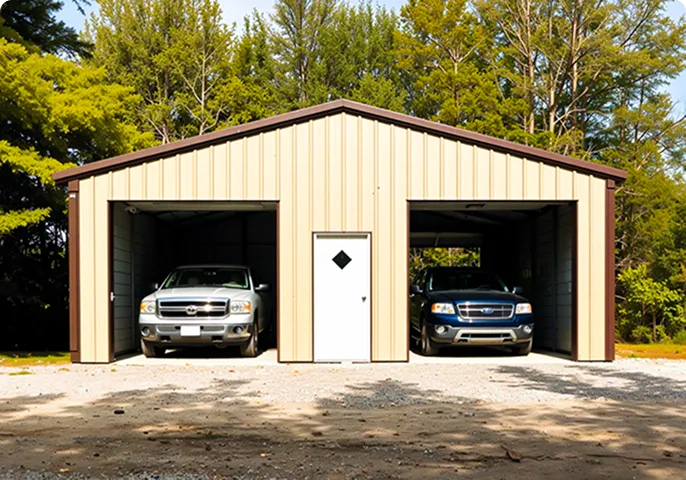
Classic design meets dependable performance. Our horizontal roof barns are engineered for farms, livestock, storage, and versatile everyday use. Prefabricated, fast to install, and fully customizable to suit your land and specific needs.
Need help? Call us at +1 (704) 579-6966 for a free consultation.
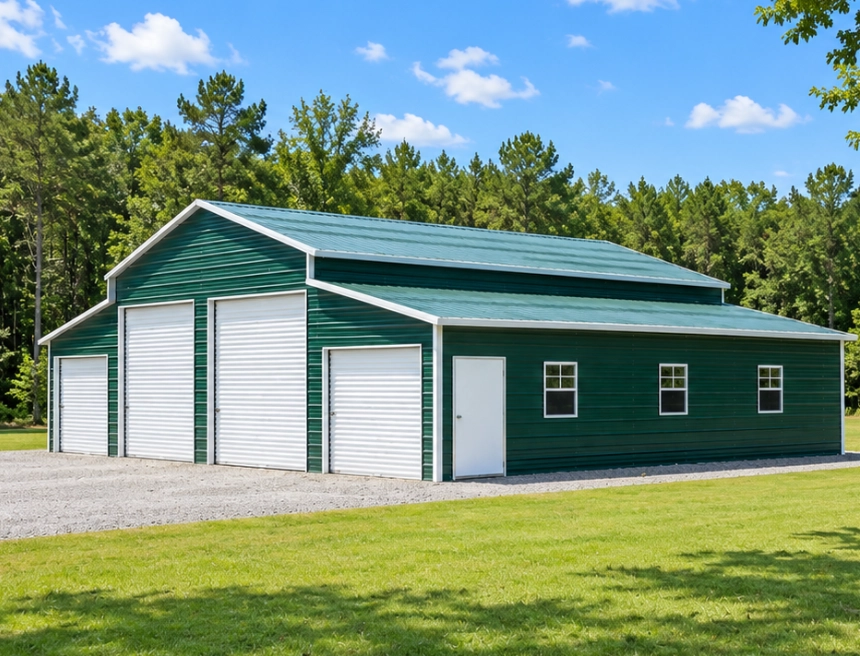
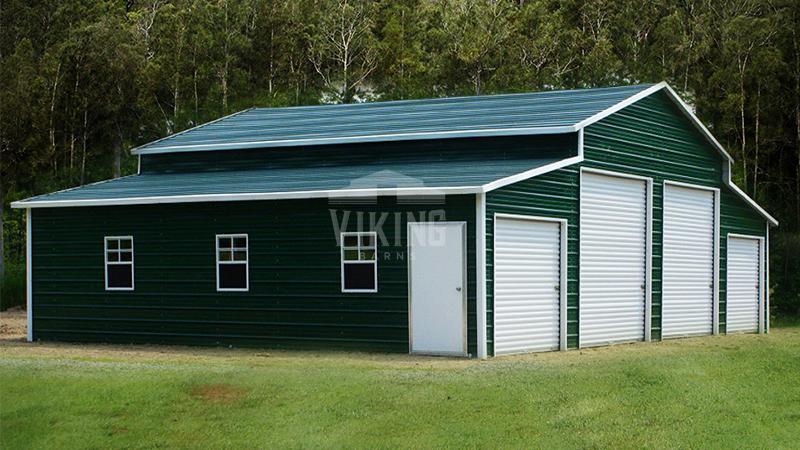
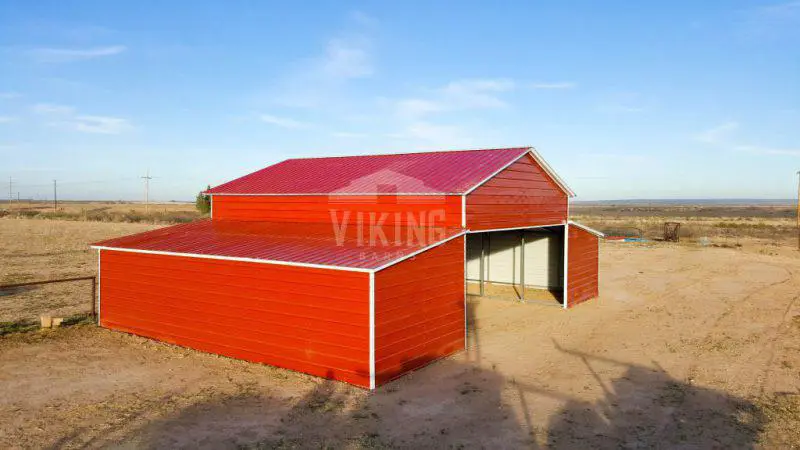



What is A Horizontal Roof Barn?
A horizontal roof barn — also called a regular roof barn or straight roof barn — is a prefabricated steel structure where the roof panels run horizontally from one end of the building to the other. This is the most traditional panel orientation in metal barn construction, giving the structure a classic agricultural look that blends naturally into farmland, rural properties, and rural commercial settings.
Unlike vertical roof steel barns, where panels run from the ridge down to the eaves, horizontal panel installation runs parallel to the ground. This design simplifies manufacturing and installation, which is one of the primary reasons horizontal roof barns represent the lowest cost entry point in the metal barn market.
The regular roof style is widely used across the U.S. for hay storage, livestock housing, farm equipment storage, and rural workshops. For buyers in mild-climate regions who need reliable protection at a practical price, it remains one of the most popular configurations we offer — and one of the easiest to customize.
Good to Know
A horizontal roof barn is sometimes marketed under several names: regular roof barn, straight roof barn, standard roof barn, or A-frame with horizontal panels. They all refer to the same panel orientation. If you see these terms, they describe the same core structure.
Horizontal Roof vs. Boxed Eave vs. Vertical Roof
Choosing the right roof style for your steel barn depends on your climate, budget, and intended use. Here’s a clear comparison across the three most common metal barn roof styles — so you can make a confident decision. You can also explore our full guide on metal barn roof types.
| Roof Style | Panel Orientation | Best Climate | Price Point | Drainage | Best For |
| Horizontal (Regular) | Runs front to back, parallel to the ground | Mild; low rainfall, light snow | Best Value | Moderate | Budget builds, mild-climate farms, hay/equipment storage |
| Boxed Eave (A-Frame) | Horizontal, with angled eave trim | Moderate; handles some rain/snow | Mid-Range | Better than regular | Residential properties, balanced budget, curb appeal |
| Vertical Roof | Runs ridge to eave, top to bottom | All climates; heavy snow & rain | Premium | Best — debris & water shed freely | High-snowfall regions, permanent structures, livestock barns |
Bottom line: If you’re in a mild climate and working with a set budget, a horizontal roof barn delivers reliable protection and a clean, traditional look at the lowest cost. For heavier weather exposure, upgrading to a vertical roof steel barn is worth considering.
Benefits of Choosing a Steel Horizontal Roof Barn
Prefab horizontal roof barns have remained popular for decades because they deliver genuine value — not just upfront, but across the life of the structure. Here’s what makes them a smart, practical investment.
- Lowest Cost Entry in Metal Barns: The simple panel orientation reduces manufacturing complexity and installation labor, making horizontal roof barns the lowest cost option among all three roof styles. You get a structurally sound, fire-resistant, pest-resistant building without the premium that comes with more complex roof configurations.
- Fast Installation, Less Disruption: Prefabricated steel barn components are designed for quick assembly. Because the horizontal panel design uses fewer complex parts than vertical or boxed eave styles, installation crews can complete most standard builds in a single day — meaning your farm operations face minimal disruption.
- Steel Outlasts Wood by Decades: Steel doesn’t rot, warp, or absorb moisture. It’s impervious to termites, mold, and the structural decay that shortens the life of traditional wooden barns. A well-maintained steel barn with a regular roof style can remain structurally sound for 40+ years — far longer than most wood alternatives.
- Fire & Pest Resistant: Steel is non-combustible, making horizontal roof steel barns far safer for hay storage and livestock housing than wood structures. There’s no wood grain to harbor insects, no organic material to invite termites, and no flammable framing to accelerate fire spread. These properties reduce both insurance costs and long-term risk.
- Clear-Span, Column-Free Interiors: Our steel-framed horizontal barns are engineered for wide clear-span interiors — no interior columns interrupting your usable floor space. Whether you’re stacking hay bales, moving equipment, or housing livestock, you get the full footprint of the building to work with.
- Low Maintenance, Year After Year: Unlike wood, steel doesn’t require regular painting, staining, or sealing to prevent decay. Periodic washing and minor hardware checks are typically all that’s needed to keep a horizontal roof barn in top condition. The ongoing savings in maintenance costs add up significantly over the building’s lifetime.
- Classic Agricultural Aesthetic: The traditional look of a horizontal panel barn fits naturally into farm and rural settings. If you’re building on a working farm, a rural homestead, or a property where curb appeal matters, the regular roof style delivers a timeless appearance that complements the landscape without looking industrial.
- Fully Customizable From Day One: From size and color to door placement and lean-to additions, every element of your horizontal roof steel barn can be tailored to your property and use case. Choose your wall height, pick from dozens of color combinations, add ventilation, insulation, or windows — and we’ll build it to your exact specs.
What Are Horizontal Roof Barns Used For?
Regular roof steel barns are one of the most versatile agricultural structures on the market. Their clear-span interiors, competitive price point, and customizable dimensions make them suitable for a wide range of farm and commercial applications.
- Hay & Crop Storage: Protect hay bales, grain, and harvested crops from moisture and pests with an enclosed or open-sided metal hay barn.
- Livestock Shelter: House cattle, goats, horses, and other animals with a ventilated, comfortable livestock shelter. Pairs well with open-sided or curtain-wall designs.
- Farm Equipment Storage: Protect tractors, combines, tillers, and implements from weather damage with a wide-span farm equipment storage building.
- Horse Barns: Customize your horizontal barn with stalls, wash bays, and tack rooms for a practical, purpose-built horse barn metal structure.
- Farm Workshop: Create a dedicated maintenance and repair space for tools, welding equipment, and machinery. Steel construction is ideal for workshop environments.
- Vehicle & Boat Storage: Store personal vehicles, trailers, RVs, or boats with roll-up doors and wide clearance heights. A cost-effective alternative to a traditional garage.
- Rural Storage Buildings: General-purpose utility barns for feed, supplies, gardening equipment, and seasonal inventory. One of the most practical uses for a steel storage building.
- Small Business & Commercial: Farm supply stores, equestrian centers, contractor storage yards, and small retail operations all use standard steel roof structures for their primary or secondary facilities.
Customization Options for Your Steel Barn
No two farms or properties are alike, and your barn shouldn’t be either. Every horizontal roof steel barn we build is made to your specifications — from footprint and framing to colors and accessories. Here’s what you can configure.
- Size & Footprint: Any width or length — from compact 20×20 utility barns to large 60×100+ agricultural structures. We help you size based on current needs and future expansion.
- Wall Height: Standard heights from 8 ft to 16 ft. Taller leg heights available for equipment clearance, hay stacking, or large-door installations.
- Steel Gauge: 14-gauge steel framing for standard applications; 12-gauge available for heavier loads, higher wind zones, or longer lifespans.
- Roof Style: Horizontal (regular), boxed eave, or vertical roof — this page covers the regular style; upgrade options are available at any time.
- Colors: Wide panel and trim color selection. Two-tone combinations available. Choose a color scheme that suits your farm, property, or business brand.
- Enclosure: Fully enclosed, partially open sides (for hay ventilation), or fully open with roof-only shelter. Curtain walls available for livestock buildings.
- Doors: Roll-up doors (standard and insulated), sliding doors, walk-in personnel doors, and double-wide drive-through configurations in any position.
- Windows: Single or double windows, skylights, and ventilation louvers available for natural light and airflow in enclosed barns.
- Insulation: Roof and wall insulation options for climate-sensitive storage — grain, chemicals, or any application where temperature matters.
- Lean-To Add-Ons: Extend your building’s footprint with an attached lean-to for calf housing, feed storage, equipment bays, or covered work areas — without a full secondary structure.
- Ventilation: Ridge vents, gable vents, and sidewall openings designed to maintain airflow in livestock housing and hay barns without requiring mechanical systems.
- Engineering & Permits: Engineer-stamped drawings available for local permit applications. Structures can be certified to meet regional wind and snow load requirements.
When to Choose a Horizontal Roof Barn
A regular roof steel barn is the right choice in many situations — but not all. Here’s a practical breakdown to help you decide whether it fits your property, climate, and goals.
- You’re in a Mild-Climate Region: Horizontal panels perform well in areas with low annual snowfall and moderate rainfall. If your region rarely sees heavy accumulation or intense storms, regular roof panels hold up reliably without the added drainage engineering of vertical panels.
- You’re Working Within a Tight Budget: Among all metal barn roof styles, horizontal is consistently the lowest cost to build. If maximizing square footage per dollar is your priority, this is your starting point — and you can always upgrade the roof style later when you expand.
- You Need Fast Installation: If you have crops to store, equipment to protect, or animals that need shelter quickly, a prefab horizontal roof barn can often be delivered and installed within two to four weeks — sometimes faster for standard configurations.
- Aesthetics Matter for Your Property: The traditional horizontal barn look fits naturally into farmland and rural residential settings. If you want a structure that looks like it belongs on the land rather than a modern industrial facility, this style delivers.
- Consider Upgrading If You Have Heavy Snow: In regions with frequent heavy snowfall, flat horizontal panels can hold accumulation longer than vertical panels, which allow snow to shed naturally. For high-snowfall zones, a vertical roof barn is a more practical long-term investment.
- Consider Upgrading for Permanent Livestock Housing: For a primary, year-round cattle barn or horse barn in a demanding climate, the additional durability of a vertical roof style is worth the upgrade. For secondary structures and mild-climate livestock shelters, a horizontal roof works well.
How Much Does a Horizontal Roof Barn Cost?
The cost of a regular roof steel barn varies based on your size requirements, local conditions, and the features you add. Here are the key factors that drive pricing — along with representative starting figures to help you plan.
- Building Size: The footprint is the single largest cost driver. A 20×20 utility barn requires significantly less material than a 40×80 farm storage facility. We help you size based on current and projected needs to avoid over- or under-building.
- Steel Gauge: 14-gauge framing is the standard for most horizontal roof barns and handles typical agricultural loads comfortably. 12-gauge adds structural capacity and longevity, and is recommended for larger buildings, heavier loads, or higher-wind regions.
- Wall Height: Taller leg heights (10 ft, 12 ft, 14 ft, and above) require more material and are priced accordingly. Tall walls are often necessary for equipment barns with large machinery or for hay barns with high stacking needs.
- Enclosure Configuration: Fully enclosed buildings cost more than open-sided or roof-only shelter structures. Partial enclosure — such as fully enclosed on three sides with an open front — offers a middle-ground price with practical functionality.
- Doors & Accessories: Roll-up doors, walk-in doors, windows, ventilation systems, and lean-to additions are priced separately and scaled to your build. Adding a 10×10 roll-up door adds less to the total than adding a 14×14 insulated door with an electric opener.
- Location & Local Codes: Delivery distance affects shipping cost. Local building codes in some regions require specific wind or snow load engineering, which can affect structural specifications and overall pricing. Our team identifies these requirements during the quoting process.
- Insulation & Add-Ons: Optional insulation, skylights, ridge vents, and other features are priced as line items. Including only what your application requires keeps costs efficient.
Delivery & Installation
We handle the logistics so you don’t have to source contractors, coordinate shipping, or figure out assembly. From order to installation, the process is managed end-to-end.
What to Expect
- Delivery to most U.S. locations
- Experienced, certified installation crews
- Most builds are delivered and installed within 2–6 weeks of order confirmation
- Larger custom barns may require additional lead time — your rep will confirm your timeline at quote
- Structures built to meet local wind and snow load building codes
- Engineer-stamped drawings available for permit applications
Site Preparation Tips
- A level, compacted gravel pad is the most common and cost-effective base for most barn applications
- Concrete slabs are recommended for workshop, garage, or commercial use applications
- Site access for delivery equipment should be confirmed before scheduling
- Local permits, if required, should be pulled before installation day — we provide the drawings
- Anchor type (concrete anchors, ground anchors) is determined by your foundation and local code
Financing & Rent-To-Own
A new barn doesn’t have to mean a large upfront payment. Our flexible payment options are built for working farmers, rural property owners, and small business operators.
- Low Initial Investment: Start your project with a manageable down payment instead of paying the full cost upfront. Ideal for seasonal cash flow situations.
- Competitive Monthly Payments: Structured payment plans spread the cost over time. Your rep will walk you through available terms and rates at the quote stage.
- Rent-To-Own (No Credit Check): Our RTO program requires no credit check and offers fast approval. Pay monthly and own your barn outright at the end of the term.
- Fast Approvals: Minimal paperwork, quick decisions. Most financing and RTO applications can be approved and finalized within a few business days.
Explore metal barn financing options in detail, or ask your rep about the best plan for your budget when you request a quote.
Why Buy From Viking Barns
Warranty
Industry-leading warranties on structure and workmanship
Customer Support
Dedicated customer support from ordering to installation
Fast Delivery
Fast delivery timelines across most regions
Certified Structures
Certified and code-compliant steel structures
Flexible Financing
Flexible financing and RTO programs
 FAQs
FAQsFrequently Asked Questions About Horizontal Roof Barns
Here are the questions we hear most often from customers researching regular roof steel barns.

Didn't Find Your Answer?
Explore our full FAQ page or reach out to our team — we're here to help with any additional questions.