Loading...
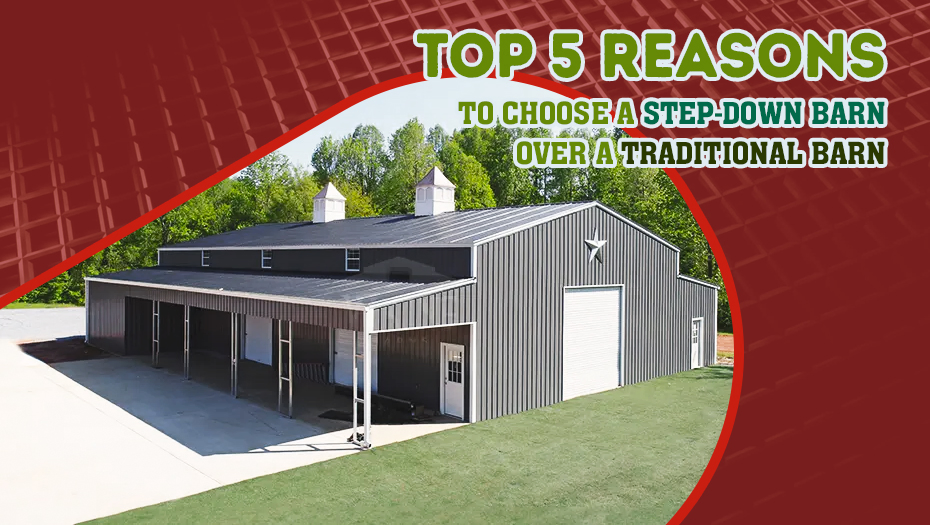
There are plenty of reasons why choosing a step down steel barn might be a smarter choice than a traditional barn. First of all, it offers better ventilation and airflow, which is essential for livestock & farm workers’ health. Secondly, the design allows easy cleaning and maintenance of animals, saving time. Next, these barns let more natural light come in, creating a comfortable & brighter environment. Here are the top 5 benefits of a step down metal barn.
Breaking Tradition: 5 Benefits Of Having Metal Step-Down Barns
1. Improve Ventilation & Natural Lighting
The design of a step down barn allows the installation of small windows or vents that let warm air escape outside and bring fresh air inside. This aids fresh air circulation inside the barn. You can install passive or active types of vent systems if the outdoor area is not open.
Ventilation also brings in natural lighting, which brightens up the center aisle areas and creates a comfortable environment for animals to live in and farm workers to carry out their daily tasks.
2. Easier Access For Feeding & Cleaning
Since a prefab step-down barn has a wider central area, it makes feeding and cleaning individual stalls easier. It also helps organize the farmers better and keeps livestock separate from each other. Do not forget to add insulation if you are looking for a livestock shelter. An insulator will help regulate the temperature indoors, making it livable.
Cleaning the metal barn itself is also quite straightforward. All you will need is warm water, a garden hose or pressure washer (at a low setting), mild detergent, and a soft-bristle brush to scrape off dirt or debris.
3. Strong Resilience To Elements
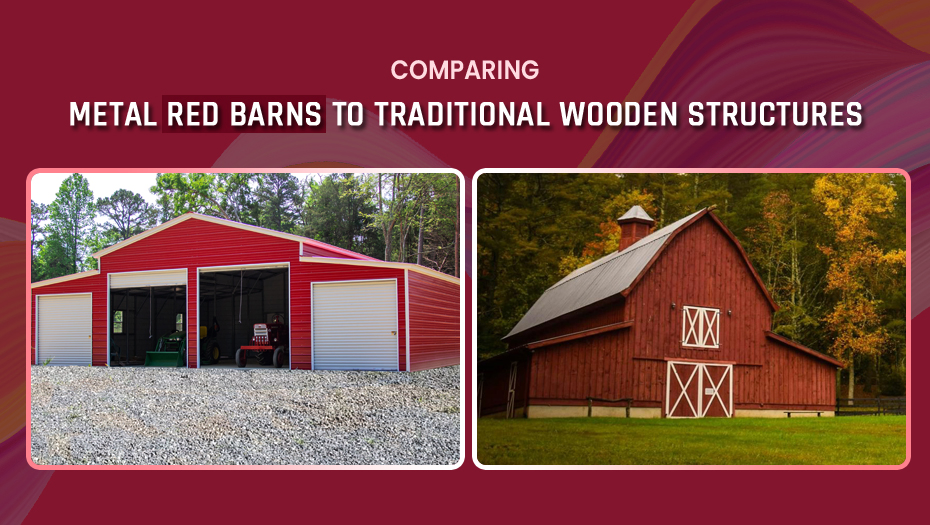
Most agricultural buildings are left out in the open, at the mercy of nature. This is where steel step down barn buildings have an edge over traditional structures. Structural steel is not susceptible to rot or decay due to changing seasons. It does not shrink, warp, twist, or bend due to external conditions.
When sealed properly, steel is an inorganic material that does not allow pests, mold, mildew, and small insects to creep in. Galvanized steel is rust-resistant and does not require re-painting or re-coating every year. Metal is also non-combustible, so it does not catch fire easily. With time, metal step-down barns prove to be more economical than traditional construction materials.
4. Space Saving Clear Span Design
It is pretty common for metal barns to have a clear span design. This type of design uses side columns, rafters, and braces that join both. Here, no internal columns or support walls are being used. You can create anything from multi-functional barns to riding arenas.
Opting for a clear span design gives you the freedom to plan internal space effectively. You can even go for a taller building and add false flooring or loft area to create additional storage space for hay & feed.
5. Affordable & Durable
A prefab step-down barn is manufactured in the factory. At the construction site, it only requires assembly. Finishing the entire installation space takes less time and manpower, so a farmer can start using the building early. That’s how cost-effective metal barns are!
Metal barns are also durable and robust—25 times stronger than wood. The steel frame is secured to its concrete foundation using anchors, and extra braces can be added to make it more secure. For areas with extreme weather, we have engineered certified metal barns that can meet and exceed local building codes.
Various Styles Of Prefab Step-Down Barn
Regular Style
The roof is traditionally rounded at the peak, giving it an old-school vibe. The steel panels run horizontally, and this is the most economical design. However, it is unsuitable for large barns or areas with harsh weather patterns.
Vertical Style
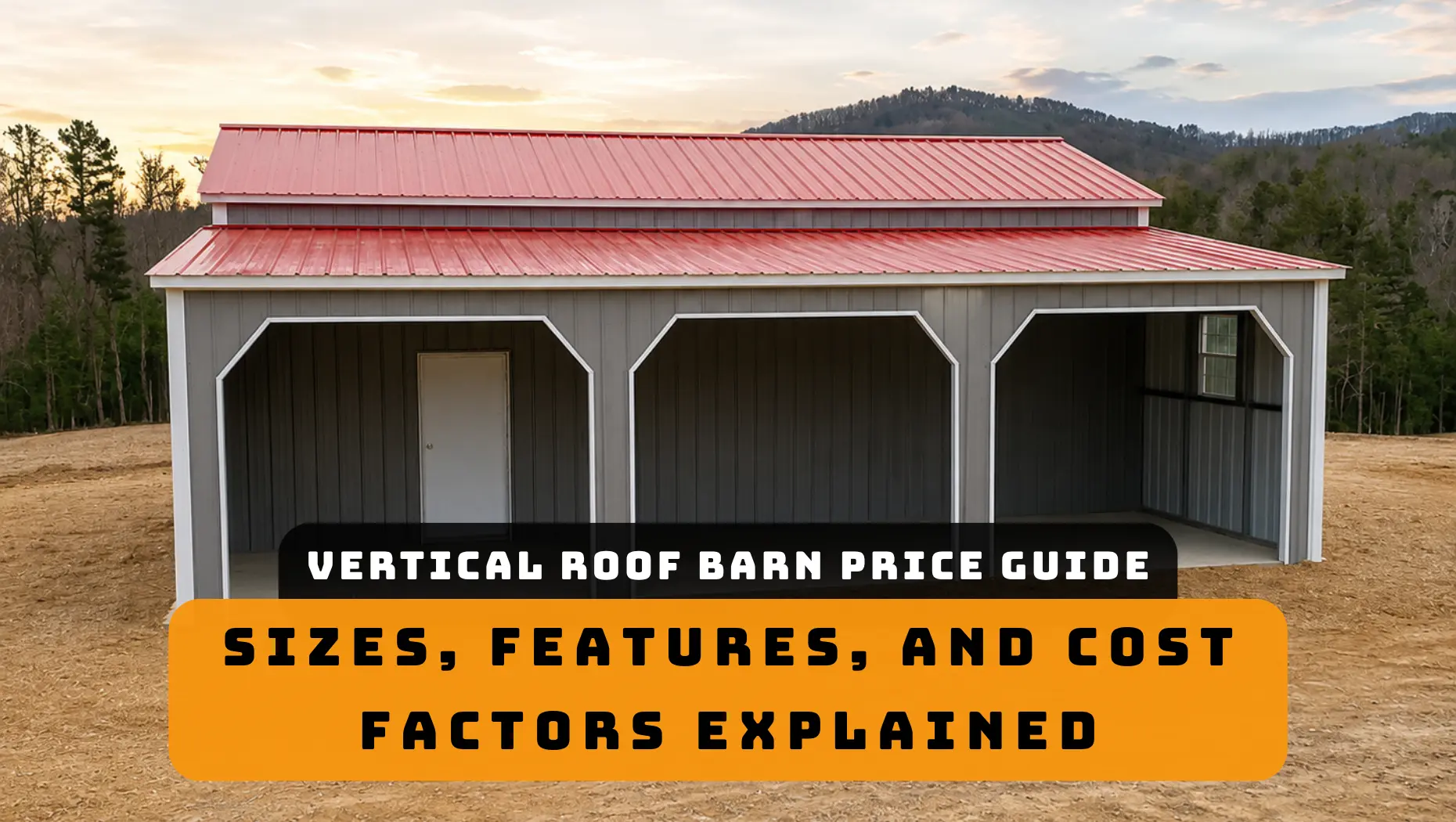
Steel panels run from peak to eaves. The ridges run towards the ground, allowing dirt, dirt, snow, and other debris to slide off without waiting. This type of roof requires less cleaning and lasts a long time.
Fully Enclosed
The entire structure, including the lean-to, is fully closed with sturdy steel panels. The structure is then further sealed with a waterproof sealant to prevent small insects and water from entering. This is the most secure structure.
Partially Opened
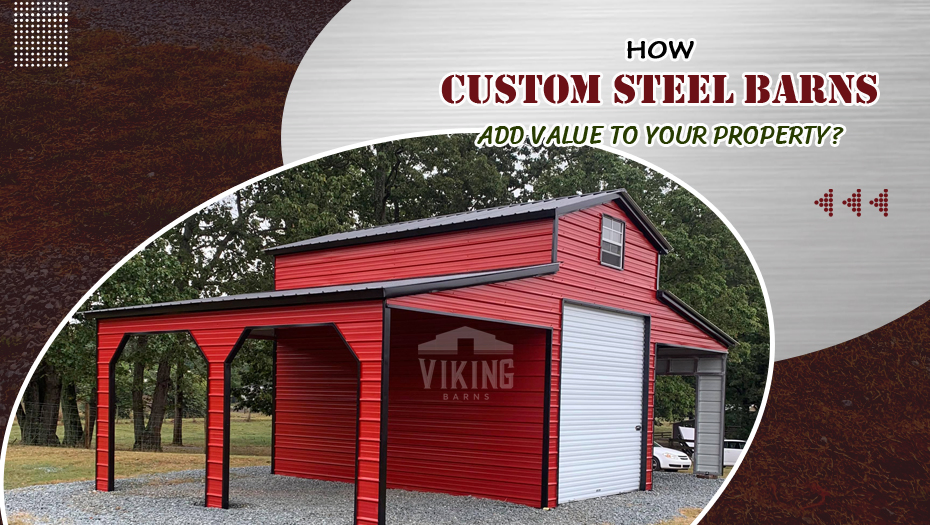
Metal step-down barns can have open centers or sides, depending on the needs of farmers and ranchers. Generally, the center is closed, and one or both side lean-tos are open.
Roof Only
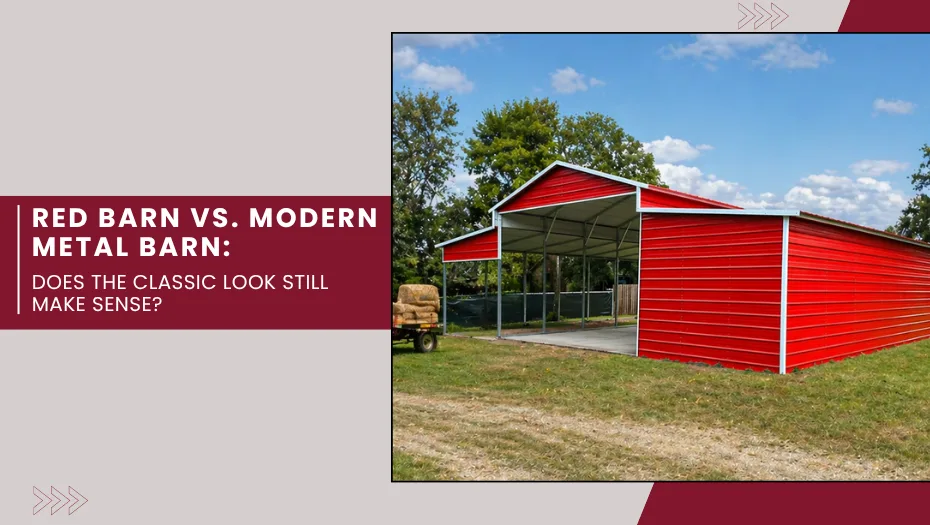
The entire structure is open from all sides except the roof. This gives maximum air flow and is suitable for areas with moderate climates. You can keep dairy cows inside or create a riding arena.
Some Applications Of Step Down Barn Buildings Are As Follows:
- Livestock shelter
- Daily Farm
- Hay & Feed Storage
- Event Venue
- Home Pavilion
- Farm Tools & Vehicles Storage
- Auditorium
Step Up With Our Step Down Steel Barn
The step down barn provides extra protection from harsh weather conditions and ensures your livestock is comfortable throughout the year. Call (704) 579-6966 to avail of various customizations and designs that make it look more appealing than traditional structures. So why settle for ordinary when you can go ‘stepping’ in style with a step-down steel barn?
Related articles