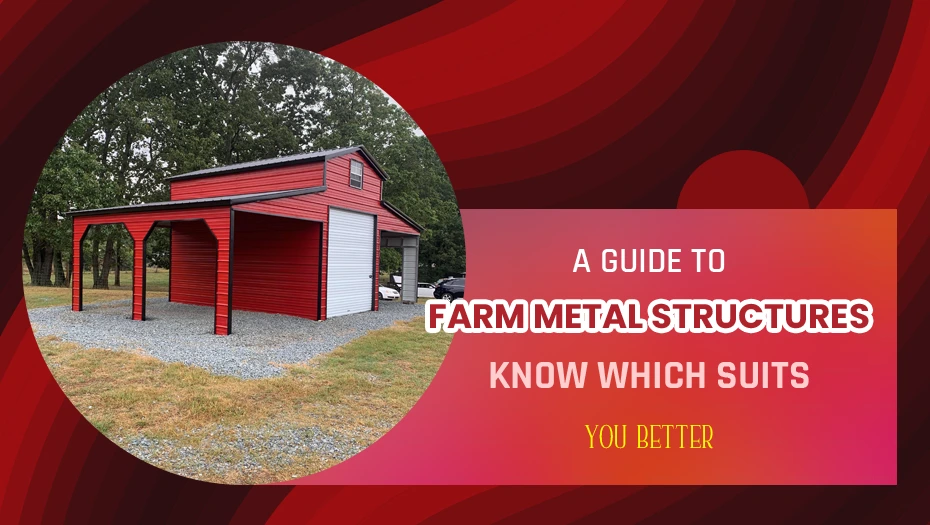
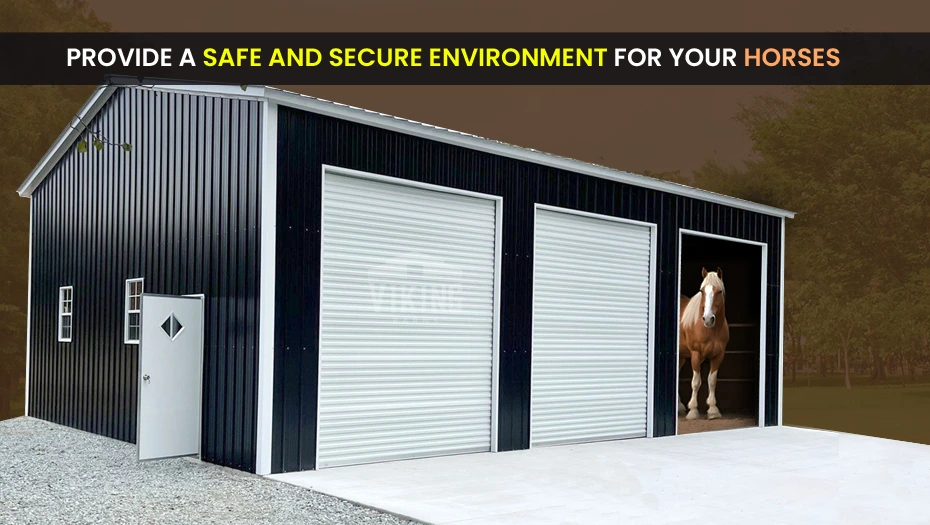
Are you dreaming of a new prefab steel barn? Hold your horses!
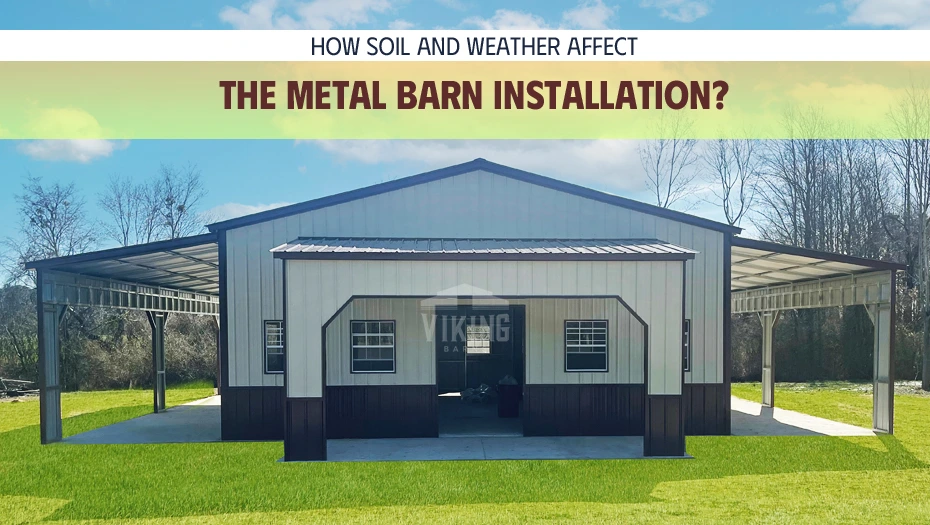
Whether you want a new sturdy shelter for livestock, to protect equipment, or to store regular farm tools and supplies, a metal farm building is the ultimate solution for all farm and ranch needs. However, before getting ahead, let’s look at some crucial factors to understand the importance of site preparation. The soil condition and local weather pattern can make or break the success of your installation. Let’s dig into it.
Soil And Foundation Considerations For Metal Barn Structures
I. Soil Types And Stability
The type of soil on your farm and ranch plays a significant role in the stability of the structure. There are six main types of soil found in the United States. Before installing custom metal barns, you must learn about your property’s soil type and the foundation that works best with it.
- Clay: It has very high water retention, and clay expands & contracts with moisture levels. This can lead to uneven base settling, cracks, etc.
- Sandy: It can drain quickly, reducing the water pooling, but it can cause shifting due to a lack of bond. Thus, compacting this type of soil is necessary for stability.
- Loam: It is a mix of sand, silt, and clay, which is often ideal for building since it has balanced drainage and stability.
- Rocky: It is stable but comes with the challenge of grading and leveling. It is necessary to compact and make adjustments to create a uniform base.
- Peat: It is soft, moisture-heavy, and highly compressible. This type of soil needs strong reinforcement for a stable foundation.
- Chalky: It is stable but requires careful drainage planning as it may develop water in pockets.
II. Site Preparation
Grading & Leveling: When preparing the site for metal barns, start with leveling and compacting the soil to create a stable surface since uneven settling can cause improper grading, which can lead to significant damage. Make sure you have the proper slope for drainage since water pooling near the metal barn buildings can weaken the foundation with time.
Compact Loose Soil For Stable Base: Loose soil must be compacted to reduce shifting and settling after installation. This will ensure your steel structure has a sturdy base, which extends the lifespan of the farm barn.
III. Foundation Options
- Concrete Slabs: This is suitable for most soil types as slabs provide even support and prevent moisture from seeping into the barn, protecting your assets. You can choose steel farm building insulation options to further control temperature and humidity.
- Concrete Piers: It is ideal for uneven and rocky terrains as it elevates the prefab steel barn above the ground for long-term stability.
- Concrete Footings: It is often combined with piers or slabs for extra support and is extremely useful in large metal barn installations. Be sure to choose the right size for custom steel barns to maximize the efficiency of your farm.
- Asphalt Base: It is an affordable option that works well on compacted soil, but it’s not as durable as concrete.
- Gravel Base: It is highly cost-effective and suitable for metal hay barns with lighter loads. It comes with excellent drainage but requires frequent maintenance and leveling. If you want a permanent and large structure, this may not be a suitable choice.
There are different types of anchors for metal barn buildings, and it is important to choose the correct one for maximum stability and equal load distribution.
Climate Considerations For Prefab Metal Barns
Common Weather Conditions Across The US
The weather conditions across the States vary largely and can impact the installation of barn structures and the stability of prefab metal barns with lean-to.
- Humidity: It is found in regions like the southeastern states, which can increase corrosion if the barn is not properly protected. We suggest choosing 100% galvanized steel for a long-lasting farm building.
- Snow And Ice: Northern states like Minnesota and Maine experience heavy snow that can add weight to the barn’s roof. Here, you can opt for vertical roof barns with 26-gauge metal panels to increase load-bearing ability.
- Rain: Rainfall is more common in areas like the Pacific Northwest, where water drainage becomes essential. Hence, opt for a vertical roof with corrugated panels at the right pitch and add a gutter to the prefabricated barn to redirect water into a collection tank. This water can be filtered and used for irrigation purposes.
- Wind: High-speed winds, especially in tornadoes and hurricane-prone areas (Midwest), need a sturdy farm building that can resist strong winds without getting airborne. We offer 12-gauge steel buildings with certification against wind speeds of up to 180 mph to avoid heavy structural damage.
Extreme Weather And Installation Rules For Steel Farm Buildings
| Weather |
Common Locations |
Installation Rules |
| Wind Loads |
Kanas, Oklahoma, Western US, Great Plain (Central US) |
- Sturdy Anchors
- Reinforced Frames
- Compliance with Regional Wind Load Requirement
|
| Rain |
Pacific Northwest, Southeastern US, Northeast US, Hawaii |
- Proper Drainage
- Elevated Surface
|
| Snow And Ice Loads |
Northern and Mountain Region |
- Able to handle extra weight of snow
- Steep roof pitch
|
| Lightning Protection |
Central and Southern US |
- Grounding system
- Insulation
|
| Flood Zones |
Louisiana, Florida |
- Water resistant foundation
- Elevated barn base
|
| Tornadoes and Hail |
Tornado Alley |
- 12-gauge steel frame
- 26-gauge metal panels
- impact resistant material (to tolerate hails)
|
Temperature Fluctuations And Corrosion
Extreme temperature changes, like in desert regions, can cause expansion and contraction in metal. This can lead to loosening of screws and fasteners and structural stress if not accounted for during the installation process. Some areas with high humidity, like the coast of Texas and California, can increase the risk of corrosion due to salt and moisture in the air.
To avoid these issues, you can choose 100% galvanized steel or apply a protective coating over the metal to prevent rust development. Opt for designs that facilitate ventilation, such as Carolina barns, which remove warm, moist air and bring in fresh airflow.
Best Practices For Prefabricated Barn Installation During Different Seasons
| Seasons |
Installation Tips |
| Spring And Fall |
- Ideal seasons for installation due to moderate temperatures and reduced extreme weather risks.
|
| Summer |
- Precautions needed to save workers and materials from heat stress and expansion effects.
|
| Winter |
- Materials need to be safe from frost.
- Foundation must be completed before frost sets in.
|
Protective Measures To Prevent Weather-Related Delays
- Farmers can monitor local weather to avoid scheduling installation during storms or extreme heat. For this, they can refer to NOAA or keep updated with weather forecast information.
- Make sure all materials are stored in a covered area to avoid weather damage once the prefabricated parts reach the installation site.
- You can install temporary shelters or windbreaks to save the construction site and foundation from unpredictable weather.
Practical Tips For Installing Barn Structures For Farm And Ranch Owners
- Professional Assessment: It is always best to consult a soil inspector to grade the soil and find out what types of foundations will suit the best. Local professionals can give you insights into the specific challenges for construction along with the correct solution. They can assess soil, weather, and environmental situations on your property to recommend the best foundation and design for the barn.
- Quality of Materials: We recommend choosing high-quality, galvanized steel to reduce the chances of corrosion and ensure longevity, especially if you live in coastal or rainy areas. Opt for insulated vertical roof-style barns that maximize durability by sliding off most debris. Always use high-quality fasteners, bolts, and anchors to enhance stability.
- Local Codes And Permits: Always research the local building codes and zoning laws, as many regions have specific requirements for farm metal buildings, like size, height, setbacks, etc. Secure permits before the construction begins to avoid any delays later. Make sure that your barn can withstand local wind patterns and snow load.
- Maintenance Post-Installation: Regular inspection, cleaning, and checks will prevent rusting and keep pests under control. Ensure your barn’s gutter and downspouts are clean so water can pass through them.
Be Ready For Metal Farm Building Installation With The Right Techniques
With these tips, you can easily install a steel farm building specific to your needs for long-lasting durability and high stability. If you are looking for a stable metal barn with high-quality material for your farm and ranch, call us at (704) 579-6966 today!
We provide a FREE quote on all our metal buildings, which includes shipping and installation costs.