Loading...
The steel building market in the USA was valued at 13 billion in 2024, and steel roof structure projects have increased by 9%. It’s true for good reasons. Prefab barn buildings are durable, customizable, and built to withstand years of weather, wear, and use. But before you jump to buy them for your needs, ask for a quote. It’s important to know what to ask or how to investigate about services of the metal building dealer in your area.
Buying a metal barn building is easy, but only when you know what you need and who can provide it. Asking the right questions when getting a quote is the best way to understand everything and make a confident decision. It helps you avoid extra costs and make sure you get exactly what you need. Let’s talk about the top questions you should ask before getting a quote on a metal barn, and why each one matters.
1. What Type of Metal Barn Fits My Needs?
When you know your needs thoroughly, it becomes easy to choose the right barn type. This is why, before anything else, figure out what kind of barn suits your goals. Remember, there’s no one-size-fits-all structure.
- Horse Barns – As the name implies, these barns are for your equestrian friend, horses. Metal horse barns are perfect for livestock, with space for stalls, feed, and gear. Choose them if you want a barn to nurture horses.
- Clear Span Barns – These barns are open interiors with no center posts. This is why you can use them effectively for storing large machinery or hay.
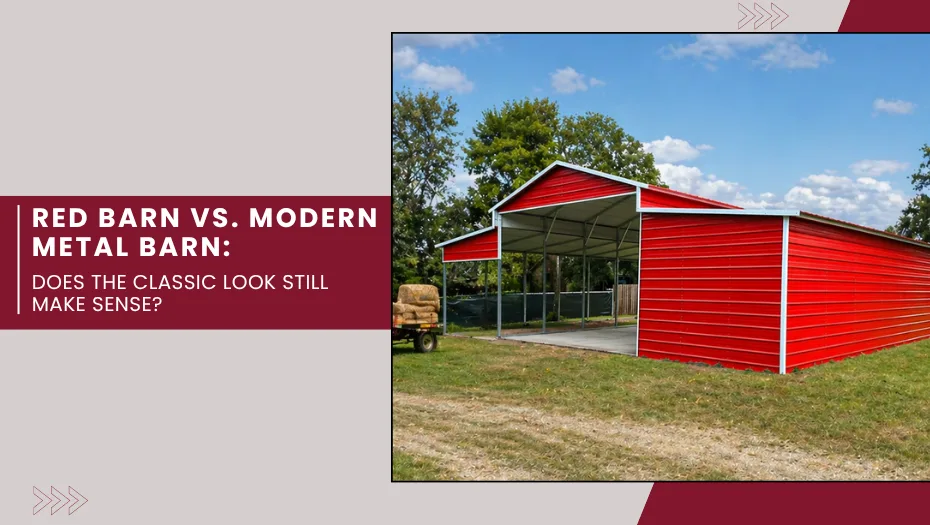
- Red Barns – As the name implies, they are red in color and offer a classic look. They are mostly chosen for farms that want style and function.
- Seneca Barns – They feature a straight roof design with two sides and ample storage space. A seneca steel barn has three units, and the center unit is the tallest, where big vehicles can be housed.
- Side Entry Metal Barns – They are ideal for easy vehicle access and improved airflow. You can park vehicles side by side and take them out without much effort.
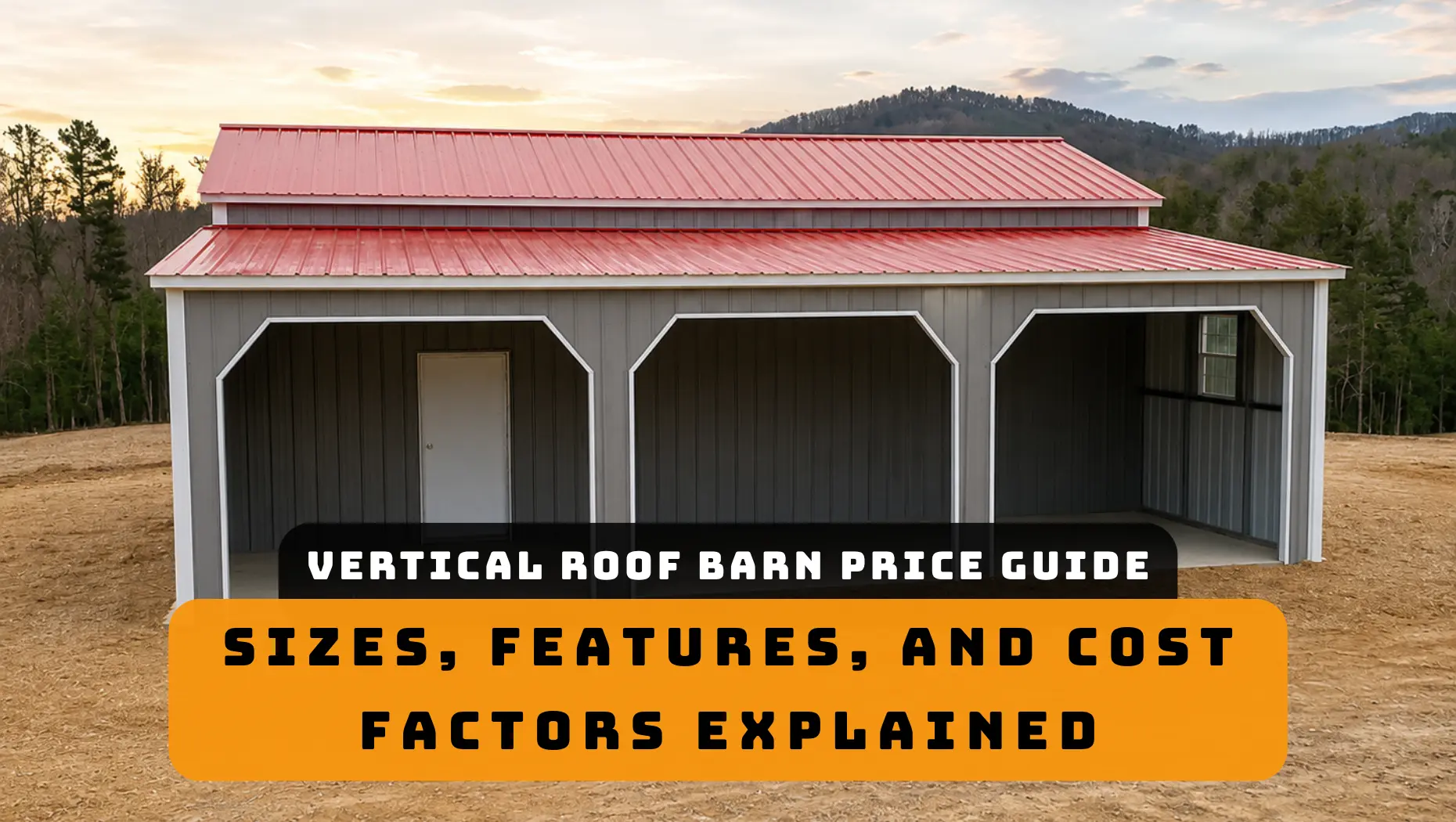
- Step-Down Barns – The roof of a step-down barn is not straight. The roofs of the side units are smaller than the center unit’s roof. So, it’s a multi-level roof design that adds strength and charm.
Why ask this first? Because your barn’s purpose directly affects its design, materials, and price. Tell your builder how you plan to use the space. The more details you share, the more accurate your quote will be. For instance, a horse barn needs good ventilation and stall partitions, while a clear span barn might need reinforced beams for a wide open space. You will get a barn that truly fits your lifestyle, not one that’s overbuilt or underbuilt.
Also Read: Why Does The Steel Building Gauge Really Matter?
2. What Size and Dimensions Work Best for Me?
Bigger is not always better, and smaller can sometimes limit you. This is why discuss the exact size of the barn you want. The right dimensions help you plan for everything, from storing equipment to future expansion. Moreover, size directly impacts your cost, so guessing here can hurt your budget later.
Think about what you will use the barn for. Will you use it for vehicles, hay, animals, tools, or workshops? Then measure how much space you need. Many experts recommend adding a few extra feet to allow for growth or movement. When your barn fits your exact needs, you do not waste space or money, and it will serve you better in the long run.
3. What Type of Roof Style Should I Choose?
The roof might seem like a small choice, but it affects everything from durability to drainage. Roof styles determine how well your barn handles rain, snow, and debris. Additionally, the right roof can even influence the overall look of your property. This is why you should ask about the types of steel barn roofs they provide.
The most common roof styles are:
- Regular Roof: It has curved edges and horizontal panels running side by side. It’s the simplest, most cost-effective structure, suitable for mild weather.
- Boxed-eave Roof: It features an A-frame roof with horizontal panels. The structure looks stylish and slightly stronger than a regular roof barn.
- Vertical Roof: It is the strongest of all because of the A-frame roof and vertical panels. Best for heavy rain or snow because panels run vertically for easy runoff.
Choosing the right roof gives your barn better protection and a longer lifespan, helping prevent water leaks and rust.
4. What Gauge of Steel Will Be Used?
If you have never heard the term “gauge,” don’t worry, it simply means how thick the steel is. Lower numbers mean thicker metal.
Some quotes might look budget-friendly because they use thinner steel. But thinner steel bends more easily and doesn’t last as long under strong winds or heavy loads. Therefore, you should ask for 12-gauge or 14-gauge steel framing, or even more thick framing. For harsh weather or large barns, thicker is better. So, always ask for what gauge steel frames are perfect for your metal barn. This way, you will get a barn that’s sturdy enough for the heat, wind, and storms without constant repairs.
5. What’s Included in the Quote (and What’s Not)?
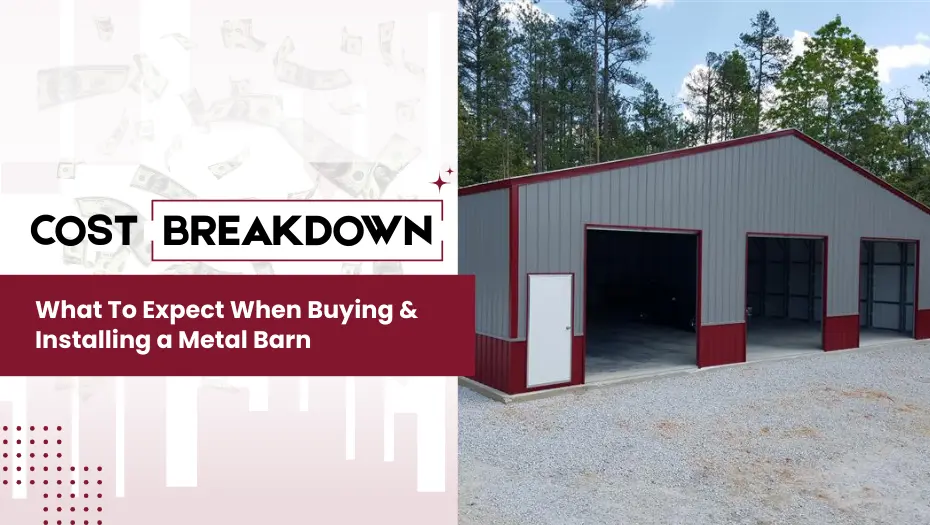
This is one of the most critical questions; yet, sometimes buyers forget to ask it. It’s crucial because companies structure quotes differently. Some include installation, anchors, delivery, and doors, while others don’t. So, always ask what’s covered in the price. If insulation, walk-in doors, or windows are extra, you should know upfront. That way, you can compare companies fairly. It helps to avoid surprise bills later. You will know exactly what your money covers before you say yes.
6. What Foundation or Site Prep Is Required?
The strongest barn in the world will not stand right if the foundation is wrong. And without the right anchors, the foundation and the entire building can’t stand firm against harsh weather conditions. You need to ask this question because sometimes some installers set up on uneven or soft ground and do not use the correct anchors. You may need to prepare a concrete pad, gravel base, or ground anchors if it’s the case.
Ask the company what surface they recommend and whether they will inspect your site. Moreover, check the types of metal building anchors they use and whether they handle the footing installation properly. Because a well-prepared site ensures your barn stays secure and lasts for decades without shifting or cracking.
7. Do I Need a Permit or Local Approval?
This question can save you a lot of headaches, especially when it comes to legal issues in building construction and building codes. Some counties and HOAs have specific rules for metal structures. They might limit height, placement, or require special permits; thus, you must know it before the installation.
Ask your local building department or the barn company if they provide drawings for permits. Many trusted suppliers help with this paperwork. Getting approvals early prevents costly rework or penalties later.
8. What Customization Options Are Available?
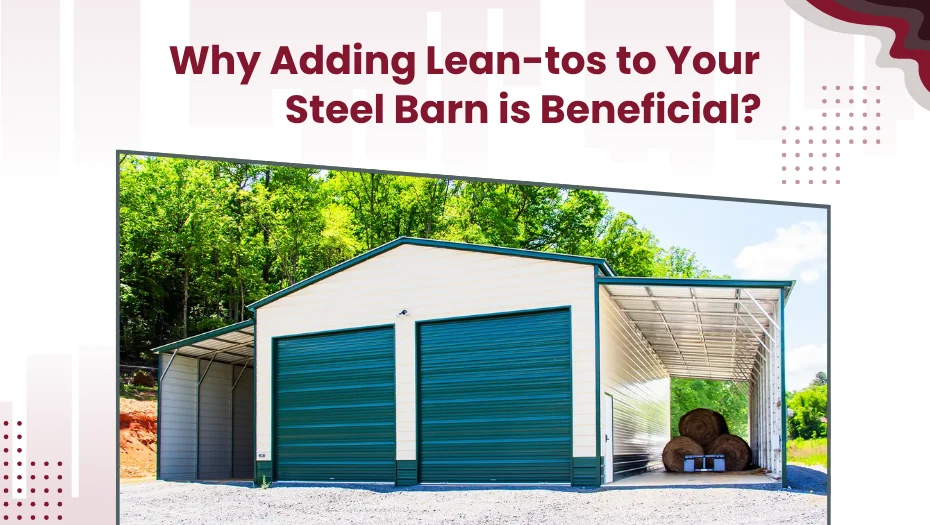
Customization is what makes your barn truly yours. You will likely use your barn for different things over time. For example, in the future, you can use it for storage, animals, or a workspace. Having customization options means flexibility. Ask about color choices, window styles, insulation, lean-tos, or interior walls. Some even offer skylights or decorative trims. This way, your barn will not only look great but also function perfectly for your day-to-day needs. Plus, customizing early is cheaper than upgrading later.
9. How Long Will Delivery and Installation Take?
Once you have chosen your design, the waiting begins, but it should not drag on forever. Ask about delivery times, as they often vary by location, season, and the company’s schedule. Ask for an estimated timeline, from order to completion. Some companies offer faster installation options for an extra fee. Knowing your timeline helps you plan around farm work or weather and avoids unexpected delays.
10. What Kind of Warranty and After-Sales Support Is Provided?
A good barn company doesn’t disappear after installation. Warranties show how confident the manufacturer is in their product. You should know how long the frame, panels, and workmanship are covered. You should look for warranties that include at least 10-20 years of rust coverage, plus coverage for installation errors. Moreover, check if customer support is easy to reach. You will have peace of mind knowing you are protected if something goes wrong later.
Bonus Tip: Compare More Than Just Prices
It’s tempting to pick the lowest quote, but take a closer look. Sometimes the cheapest barn uses lower-grade steel or lacks proper anchoring. Always compare materials, design, warranty, and service, not just the dollar amount.
Moreover, choose a company that listens. When a team asks questions about your site, animals, or purpose, it’s a good sign they care about getting it right.
You Might Like: Types of Metal Building Anchors and When to Use Them
So, Ask the Right Questions for Better Solutions
A metal barn is an investment that serves you for decades. Therefore, asking the right questions before you get a quote makes all the difference. You will know exactly what you are paying for, what you are getting, and how it will perform in your local conditions. Moreover, with the right upkeep, a well-built metal barn can last over 50 years, and still look great doing it. This long-term protection and peace of mind are crucial for today’s farm building buyers.
Related articles