Loading...
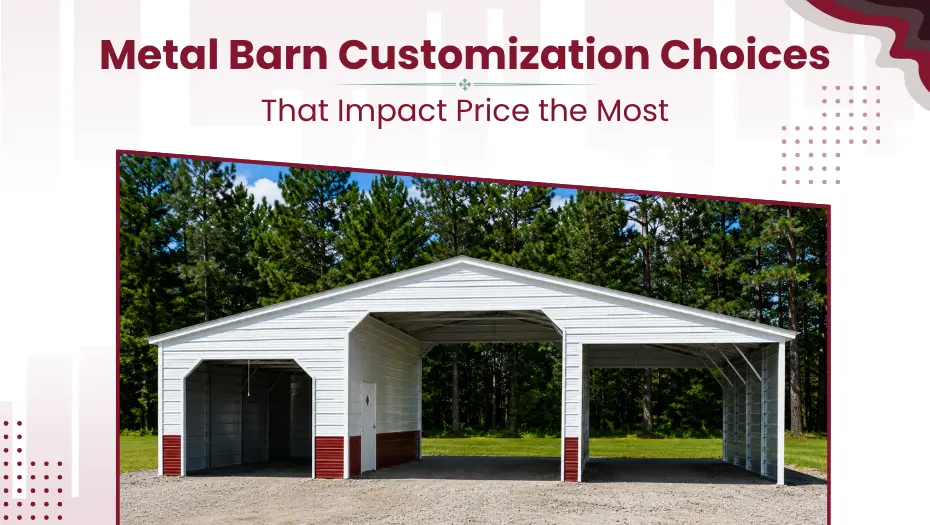
Buying a barn is rarely as simple as selecting a size and placing an order. Most buyers want a structure that fits their property, supports their daily activities, and continues to meet their needs for years to come. This is why customization plays such an important role in the planning process.
Whether you are purchasing a metal barn for livestock, equipment storage, agricultural operations, or a workshop, every customization decision can influence the final cost. Some upgrades add only a small amount to the budget, while others can significantly increase the overall project price.
Understanding which options have the biggest impact on cost can help you make smarter decisions and prioritize the features that matter most. So, let’s explore the 10 customization choices that affect the price of a custom metal barn the most and explain how each one influences your investment.
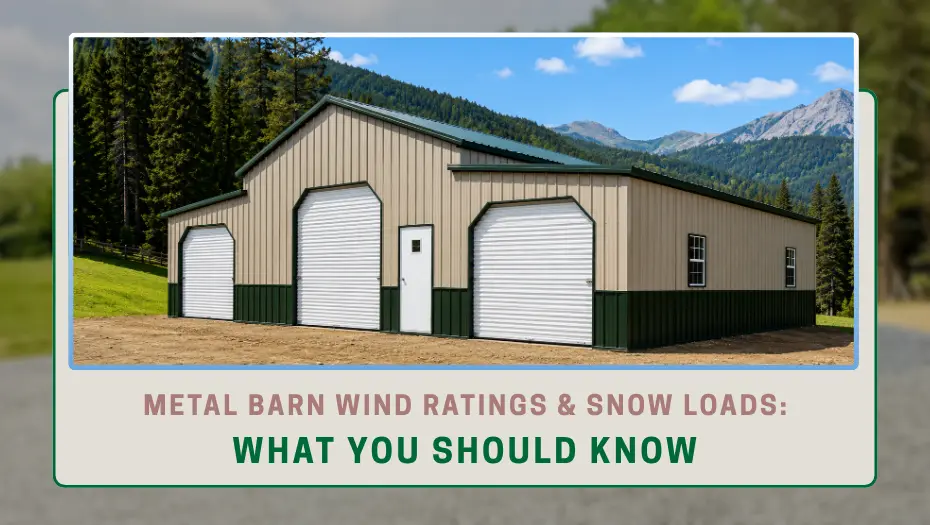
You Might Like: Metal Barn Wind Ratings & Snow Loads: What You Should Know
Why Customization Affects Metal Barn Pricing
Every barn starts with a basic structure, but most buyers choose to customize the building to better suit their property and intended use. The more specialized the design becomes, the more materials, engineering, and labor may be required. This is why two barns with similar dimensions can have very different price tags.
Custom Features Change Materials and Engineering:
Customization often requires additional framing, roofing materials, support systems, or engineering adjustments. Even relatively small design changes can affect the amount of steel and labor needed for the project. The goal is not to avoid customization.
The goal is to understand which upgrades deliver the most value for your budget. Let’s have a look at the most important customization choices then.
1. Building Size Has the Biggest Impact on Price
When buyers ask what affects the cost of a barn the most, the answer is usually simple: size. Larger buildings require more steel, more roofing panels, more framing components, and often more site preparation.
Width, Length, and Height All Matter:
Consider the difference between:
- 24′ x 30′ x 10′ barn
- 36′ x 50′ x 12′ barn
- 40′ x 60′ x 14′ barn
Each increase in width, length, or height requires additional materials and engineering. Many buyers initially focus on today’s storage needs, but choosing a slightly larger building often prevents the need for future expansion.
Taller Buildings Usually Cost More:
Height affects more than appearance. A taller structure may require:
- Additional framing
- Longer panels
- Larger doors
- Stronger support systems
This is especially common when storing tractors, RVs, farm equipment, or large trailers.
2. Roof Style Can Significantly Change the Cost
The roof is one of the most important structural components of any barn. Different roof styles offer different levels of performance, durability, and weather protection. Because of these differences, roof design can have a noticeable effect on price.
Vertical Roof Systems Usually Cost More
A vertical roof metal barn typically requires additional framing components compared to other roof styles. The design allows rain, snow, and debris to move off the roof more efficiently, making it a popular choice in regions with challenging weather conditions.
Although the upfront investment is often higher, many property owners appreciate the long-term benefits of improved drainage and durability.
Roof Design Should Match Local Conditions
The best roof style depends on:
- Climate
- Snowfall levels
- Wind exposure
- Maintenance preferences
- Building purpose
Selecting the right roof style early in the planning process can help balance performance and budget.
3. Barn Configuration and Layout Affect Pricing
The overall layout of a barn can significantly influence the final project cost. A simple open-span building is often less expensive than a structure with multiple sections, enclosed areas, and specialized layouts.
Multi-Purpose Layouts Require More Materials
Many buyers want a barn that serves multiple functions. Examples include:
- Equipment storage
- Livestock shelter
- Workshop space
- Feed storage
- Vehicle protection
Creating separate functional areas often requires additional framing, partitions, and design considerations.
Specialized Barn Designs Add Complexity
A step-down metal barn is a good example of how configuration affects pricing. Because the structure incorporates different roof elevations and layout sections, additional engineering and materials are often required. These designs can provide excellent functionality, but they typically cost more than a standard barn layout.
4. Doors and Entry Options Can Add Up Quickly
Doors are essential for accessibility, but they are also one of the most commonly upgraded features in a barn. Many buyers underestimate how much door selections influence overall cost.
Larger Doors Require Additional Framing:
A wider or taller opening often requires structural adjustments. Examples include:
- Roll-up doors
- Frame-out openings
- Commercial overhead doors
- RV-height doors
The larger the opening, the more support may be needed around it.
Multiple Access Points Increase Costs:
Adding additional doors improves convenience but also increases material and installation expenses. Many agricultural and storage barns include several access points to improve workflow throughout the building.
5. Custom Stall Systems Increase Barn Costs
Barns designed for animals often require specialized interior features. These additions improve functionality but can noticeably affect pricing.
Horse Facilities Require Additional Components:
A metal horse barn typically includes features beyond the main structure itself.
These may include:
- Stall partitions
- Feed rooms
- Tack rooms
- Wash bays
- Storage areas
Each addition contributes to the final project cost.
Stall Materials Affect the Budget:
Buyers considering steel horse stalls often find that interior components represent a significant portion of the total investment. The number of stalls, layout complexity, and materials selected all influence pricing.
6. Custom Color Packages and Exterior Finishes
While structural features often receive the most attention, appearance also plays a role in customization costs. Many buyers want a barn that complements nearby buildings or reflects personal preferences.
Premium Color Combinations May Cost More:
Standard colors are often the most budget-friendly option.
However, some projects include:
- Two-tone designs
- Three-tone designs
- Specialty trim packages
- Decorative accents
These upgrades can increase material costs while improving curb appeal.
Customized Exteriors Create a Unique Look:
Some property owners invest in customized exterior designs because they want the building to match existing homes, garages, or agricultural facilities. This is especially common with larger residential and agricultural properties.
Also Read: Common Accessories to Build a Multi-functional Steel Barn
7. Insulation Is One of the Most Popular Upgrades
Many buyers initially plan for a basic structure and later realize they need climate control benefits. Insulation is often added to improve comfort, reduce condensation, and support year-round use.
Different Insulation Systems Vary in Cost:
Common insulation options include:
- Double-bubble insulation
- Woven insulation
- Fiberglass systems
- Spray foam applications
Each option offers different performance characteristics and budget requirements.
Insulation Often Supports Multiple Uses:
Insulated barns are frequently used for:
- Workshops
- Equipment storage
- Livestock areas
- Agricultural operations
For many owners, insulation becomes one of the most valuable upgrades they make.
8. Wind and Snow Load Engineering Can Affect Pricing
Not every building is designed for the same environmental conditions. Local code requirements often influence structural specifications.
Higher Ratings Require Additional Engineering:
Buildings designed for:
- 140 MPH winds
- 170 MPH winds
- Heavy snow loads
often require stronger framing and additional support systems. These upgrades help ensure compliance with local regulations but can increase project costs.
Location Plays a Major Role:
A prefab barn installed in Florida may require very different engineering than one installed in Colorado or New York. Because of this, building location is one of the first factors considered during the design process.
9. Lean-Tos and Additional Covered Areas Increase Overall Cost
Lean-tos are among the most requested upgrades for barn owners because they add usable covered space without requiring a completely separate structure. While they provide excellent functionality, they also increase the amount of steel, roofing panels, framing components, and labor needed for the project.
Larger Lean-Tos Require More Materials:
A lean-to may seem like a simple addition, but the size can significantly affect pricing.
For example:
- A 10′ x 30′ lean-to adds 300 square feet.
- A 12′ x 40′ lean-to adds 480 square feet.
- A 15′ x 50′ lean-to adds 750 square feet.
As the dimensions increase, so does the amount of material required to complete the project.
Covered Space Adds Long-Term Value:
Many buyers choose lean-tos because they create flexible covered areas for:
- Equipment storage
- Livestock shelter
- Hay protection
- Vehicle parking
- Outdoor workspaces
Additional covered space often becomes one of the most frequently used areas of the building.
10. Specialized Customization Packages Can Have a Major Impact
Some buyers need more than a standard agricultural structure. They want a building tailored to specific operational needs, property layouts, or aesthetic preferences. These specialized upgrades often create the biggest differences in project pricing.
Complex Layouts Require Additional Planning
As customization increases, so does the amount of engineering and design work required. Examples include:
- Multi-section barns
- Custom stall layouts
- Office spaces
- Storage rooms
- Equipment bays
- Agricultural work areas
Every specialized feature adds complexity to the overall project.
Premium Barn Packages Include More Features
Many buyers explore the customization of Seneca-style barn layouts because these buildings offer additional functionality, flexibility, and visual appeal. The more customized the design becomes, the more materials and planning are typically required. However, these upgrades can dramatically improve how well the building supports daily operations.
Which Customizations Provide the Best Value?
Not every upgrade has the same impact on daily use. Some features increase cost but offer limited practical benefits, while others improve functionality for years. The key is identifying upgrades that align with your specific needs.
Prioritize Function Over Appearance:
A beautiful barn is always appealing, but functionality should come first. Before investing in cosmetic upgrades, consider whether the budget would be better spent on:
- Additional storage space
- Better access points
- Improved roof systems
- Insulation
- Stronger engineering
These upgrades often provide greater long-term value.
Focus on Future Needs:
Many buyers only think about current requirements. However, a barn often remains in use for decades. Planning for future growth can prevent costly modifications later.
Questions to consider include:
- Will I buy more equipment?
- Will livestock operations expand?
- Will I need more storage space?
- Could the building serve multiple purposes?
The answers can help determine which upgrades are truly worth the investment.
How to Build a Barn Without Overspending
Customization is important, but it should be approached strategically. The goal is to create a building that meets your needs without adding unnecessary costs.
Start With Your Primary Purpose:
Every project should begin with a clear understanding of how the barn will be used. Common applications include:
- Equipment storage
- Livestock shelter
- Horse facilities
- Agricultural operations
- Workshops
- Vehicle storage
Knowing the primary purpose helps prioritize upgrades that matter most.
Separate Must-Have Features From Nice-to-Have Features:
Creating two lists can simplify decision-making:
Must-Have Features:
- Required building size
- Proper roof style
- Necessary doors
- Structural engineering
- Ventilation
Optional Features:
- Premium colors
- Decorative trim
- Additional windows
- Future expansion features
This approach helps keep the project aligned with budget goals.
Sample Comparison of Customization Costs
The example below illustrates how customization choices can influence the overall project.
|
Customization Choice |
Impact on Price |
| Larger Building Dimensions |
Very High |
|
Vertical Roof Upgrade |
High |
| Additional Doors |
Moderate to High |
|
Horse Stalls |
High |
| Lean-To Addition |
High |
|
Insulation Package |
Moderate to High |
| Higher Wind/Snow Ratings |
Moderate to High |
| Premium Color Package | Moderate |
| Custom Layout Design | High |
| Specialty Barn Features | High |
Actual pricing depends on location, dimensions, engineering requirements, and selected features.
Why Customization Matters for Prefabricated Barn Buildings
One of the biggest advantages of modern steel structures is flexibility. Unlike traditional construction methods, a prefabricated barn building can often be customized to support very specific operational needs.
Whether you’re creating a horse facility, agricultural storage space, equipment shelter, or workshop, customization allows the building to work for your property rather than forcing your property to adapt to the building.
Every Property Is Different:
A barn located on a working farm will have different requirements than one used for residential storage. Likewise, a livestock facility has different needs than a workshop or equipment storage building. Customization helps bridge those differences and create a structure tailored to the owner.
Smart Customization Improves Daily Operations:
The right upgrades can make a significant difference in how efficiently the building functions. Features such as larger access points, dedicated storage areas, proper ventilation, and thoughtful layouts often improve usability far more than decorative upgrades. This is why planning remains one of the most important parts of any project.
Planning Beyond Construction
Many buyers focus exclusively on building costs and forget about long-term ownership. However, maintenance and upkeep should also be part of the planning process. A well-designed barn is easier to manage and often requires fewer modifications over time.
Consider Long-Term Maintenance Requirements:
Certain design choices can influence maintenance needs throughout the life of the structure. Property owners researching how to maintain metal farm building systems often discover that proper planning during the design stage can simplify future upkeep and improve overall performance.
Thinking ahead can help reduce maintenance-related challenges later.
Final Thoughts
When buyers compare barn prices, they often assume size is the only factor that matters. While dimensions certainly have the biggest influence on cost, they are far from the only consideration.
Roof style, building layout, doors, stall systems, insulation, engineering requirements, lean-tos, and specialty upgrades all play important roles in determining the final investment.
Whether you’re planning a metal barn, steel barn, custom metal barn, prefab barn, or prefabricated barn building, understanding how customization affects pricing allows you to make informed decisions and allocate your budget more effectively.
The best barn is not necessarily the one with the most upgrades. It is the one designed around your specific needs, future plans, and daily operations. By focusing on the features that deliver the greatest value, you can create a building that performs well for years while keeping your project budget under control.
Related articles