July 13, 2026


When purchasing a metal barn or steel building, wind and snow load ratings are two of the most important specifications to check. They indicate the environmental loads a structure has been engineered to withstand and help determine whether it meets local building requirements. Choosing the right ratings is especially important for properties exposed to strong winds, severe storms, winter weather, or heavy snowfall.
However, these ratings are not universal. Requirements vary by location, building dimensions, roof design, surrounding terrain, and applicable building codes. Understanding how wind and snow loads work can help you compare building options and make a more informed purchase.
Important Article: What an $8 Billion Texas Data Center Project Reveals About the Future of Metal Building Construction
Wind and snow load ratings describe the environmental forces a building is designed to resist.
Wind load rating indicates the design wind conditions used by engineers when calculating the building’s structural requirements. It is commonly expressed as a wind speed in miles per hour (mph).
Snow load rating indicates the weight of snow that a roof is designed to support. It is generally expressed in pounds per square foot (psf).
Both ratings affect the building’s framing, roof system, connections, bracing, and anchoring. A metal building should be engineered for the conditions at its actual installation location rather than selected only by its advertised dimensions or appearance.
Wind ratings help determine how a metal barn or commercial metal building should be engineered for local wind conditions.
Building codes commonly use a 3-second gust as the basis for design wind speed. This is different from an average or sustained wind speed.
One important engineering principle is that wind pressure increases approximately with the square of wind speed. This means a relatively small increase in wind speed can create a much larger increase in pressure.
For illustration, the basic velocity pressure relationship used in the referenced engineering guide produces these approximate values:
| Wind speed | Basic velocity pressure |
|---|---|
| 90 mph | 20.7 psf |
| 105 mph | 28.2 psf |
| 120 mph | 36.9 psf |
| 140 mph | 50.2 psf |
These figures illustrate the relationship between wind speed and basic velocity pressure. They are not the final design pressures for a particular building. Actual calculations also account for factors such as building height, terrain exposure, roof geometry, and whether the structure is open or enclosed.
When comparing steel building quotes, check whether the advertised wind rating uses ultimate design wind speed or nominal (allowable-stress) wind speed.
These are different measurement bases used in different code contexts. A numerical rating on one basis should not be compared directly with a rating on the other.
Ask the supplier which basis and ASCE 7 edition were used in the building’s engineering. The rating on the drawings should be consistent with the requirements provided by your local building department.
A snow load rating describes the weight a roof is engineered to support, usually in pounds per square foot.
For example, a roof design with a 35 psf snow load is engineered using a specified snow load of 35 pounds per square foot. The actual design must also account for the applicable load combinations and structural requirements.
Two snow-load terms are particularly important:
Roof snow load is not necessarily the same as ground snow load. Engineers account for roof slope, exposure, building temperature, snow drifting, and other applicable factors when calculating roof loads.
Roof configuration can also influence how snow accumulates or moves. However, a vertical roof does not automatically guarantee a particular snow rating. The complete engineered design determines the roof’s capacity.
The ASCE 7 standard provides design-load requirements used in building engineering. Its 2022 edition introduced revised reliability-targeted ground snow load maps, which are reflected in newer code provisions.
As a result, a snow-load value shown on a newer map may look higher than an older value without representing an equivalent increase in the actual roof design load. The calculation method and applicable load factors matter.
Before comparing snow ratings, confirm which code edition your local authority enforces and which snow-load value it requires on the engineering drawings.
There is no single wind or snow rating suitable for every metal building in the United States. Your property’s location and local building requirements determine the applicable design conditions.
Use these steps before ordering:
For example, a storage building in a region with minimal snow exposure may have different design requirements from a commercial metal building in a location with significant winter snowfall or higher wind exposure.
You Might Like: How Much Does a Metal Barn Cost in Arkansas? 2027 Price Guide
A building’s ratings depend on the complete structural system, not simply the thickness of its steel panels or frame.
Important considerations include:
Structural framing: Frame dimensions, material specifications, and connections influence the building’s ability to resist design loads.
Bracing: Properly engineered bracing helps transfer forces through the structure and maintain stability.
Roof design: Roof geometry and panel configuration affect wind pressures and snow accumulation. The selected design must match the engineering requirements.
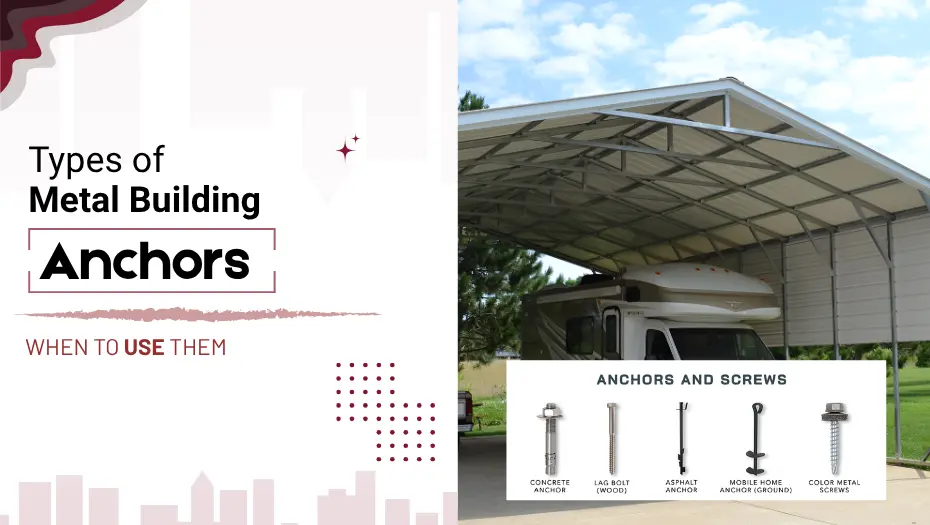
Anchoring system: Anchors connect the building to its foundation or supporting surface. Their type and installation must suit the ground conditions and engineered design.
Foundation and site conditions: Soil conditions, ground stability, grading, and foundation design all affect how the structure is supported.
Installation: The building must be assembled and anchored according to the approved engineering documents. Changes to components or installation details can affect structural performance.
A higher advertised rating is meaningful only when the complete building configuration and installation meet the corresponding design requirements.
Before purchasing steel barns, ask the supplier for clear answers to these questions:
These questions can help you compare quotes based on actual structural specifications rather than marketing claims.
Yes, although the specific requirements differ by location.
Properties in coastal and storm-prone areas may need particular attention to wind exposure and local wind-design requirements. Northern and mountainous locations may have greater snow-load considerations. Other areas may need to account for combinations of wind, rain, ice, and seasonal weather.
Even locations that rarely experience heavy snowfall should not ignore local design requirements. Occasional severe weather can still create significant structural demands.
For a building used to store valuable equipment, vehicles, or agricultural supplies, choosing an appropriately engineered structure is an important part of protecting the property.
The required rating depends on your property’s location, applicable building code, exposure, building dimensions, and intended use. Confirm the required design wind speed with your local building department.
It means the roof is designed using a snow load of 35 pounds per square foot. The final structural design must also account for applicable load combinations and other engineering requirements.
A higher rating may provide additional design capacity, but it must be compared on the same measurement basis as the local requirement. The complete engineered building design matters.
Yes. Roof slope and geometry influence snow accumulation and how engineers calculate roof loads. However, the roof’s actual capacity must be confirmed through its engineered specifications.
Some structural changes may be possible, but adding braces or changing anchors without approval can compromise the building. Consult the manufacturer and a qualified structural engineer before making modifications.
Also Read: Steel Horse Barn Aisle Width: What Should You Consider Before Building?
Wind and snow load ratings are essential specifications when choosing a metal barn, steel building, or commercial metal building. They help establish whether the structure has been engineered for the environmental conditions at its intended location.
Before making a purchase, confirm your local requirements, compare ratings using the same measurement basis, and review the engineered drawings. Pay attention to framing, bracing, roof design, anchoring, foundation conditions, and installation.
A well-informed decision starts with more than a price comparison. It starts with choosing a building whose complete structural design matches the needs of your property.