Loading...
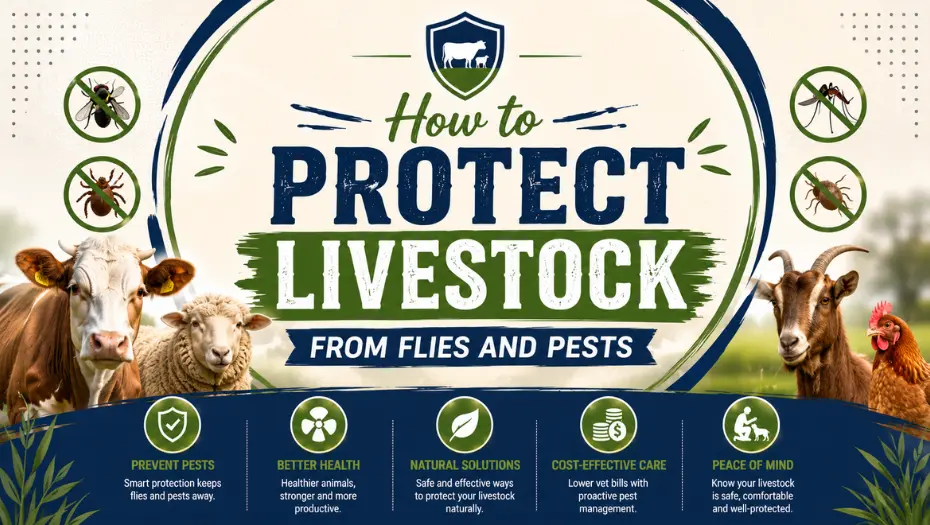
Flies, ticks, mosquitoes, rodents, and other pests can create ongoing problems for livestock by causing irritation, contaminating feed and water, and making animal housing harder to manage. The most effective approach combines sanitation, moisture control, proper feed storage, ventilation, regular inspections, and appropriate pest-management practices.
A clean, well-maintained livestock area can significantly reduce conditions that attract pests. Whether you raise cattle, horses, goats, sheep, or other livestock, controlling pests should be part of your regular farm-management routine.
Why Is Pest Control Important for Livestock?
Flies and other pests are more than an annoyance. Large pest populations can make animals uncomfortable and contribute to poor environmental conditions around feeding, watering, and resting areas.
Common concerns include:
- Animal irritation and stress
- Bites and skin irritation
- Contamination around feed and water
- Increased sanitation problems
- Pest-related damage to stored feed
- Reduced cleanliness around livestock housing
- Increased difficulty maintaining a comfortable animal environment
Pest control is therefore best approached as a preventive livestock-management practice, rather than something to address only after an infestation develops.
Common Flies and Pests Around Livestock
Different pests create different challenges. Identifying the pest can help you choose an appropriate control strategy.
| Pest | Common Concern |
|---|---|
| House Flies | Feed, manure, and waste contamination |
| Stable Flies | Painful bites and animal irritation |
| Face Flies | Irritation around the eyes and face |
| Horn Flies | Repeated biting and animal stress |
| Mosquitoes | Bites and potential disease concerns |
| Ticks | Attachment, skin irritation, and potential disease concerns |
| Rodents | Feed contamination, waste, and property damage |
If livestock show unusual behavior, persistent skin irritation, significant swelling, eye problems, or signs of illness, consult a veterinarian rather than assuming pests are the only cause.
What Attracts Flies and Pests to Livestock Areas?
Flies and pests are commonly attracted to moisture, manure, spilled feed, standing water, decaying organic material, and poorly maintained storage areas.
Common attractants include:
- Accumulated manure
- Wet or heavily soiled bedding
- Standing water
- Leaking waterers or pipes
- Spilled grain and feed
- Spoiled organic material
- Open waste containers
- Poor drainage
- Damp areas around buildings
- Unprotected feed storage
The good news is that many of these conditions can be addressed through routine farm maintenance.
10 Ways to Protect Livestock From Flies and Pests
1. Remove Manure Regularly
Manure can provide an ideal environment for certain flies to reproduce. Regular removal reduces breeding opportunities and helps keep livestock areas cleaner.
Create a consistent manure-management routine based on the number of animals, housing type, bedding system, and weather conditions.
Don’t allow manure to accumulate unnecessarily around:
- Feeding areas
- Water troughs
- Stalls
- Barn entrances
- High-traffic areas
Proper manure management should be one of the first steps in any livestock pest-control plan.
2. Keep Bedding Clean and Dry
Wet bedding can contribute to odors, moisture, and unsanitary conditions.
Inspect bedding regularly and remove excessively wet or contaminated material. Pay particular attention to areas around waterers, where leaks or splashing can create persistently damp conditions.
Dry, well-maintained bedding supports a cleaner livestock environment and makes pest management easier.
3. Eliminate Standing Water
Mosquitoes and other pests can take advantage of stagnant water.
Regularly inspect your property for:
- Puddles
- Clogged drains
- Leaking troughs
- Damaged water lines
- Containers holding rainwater
- Poorly draining areas
After heavy rainfall, walk around the livestock area and identify places where water remains for extended periods.
4. Clean Up Spilled Feed Quickly
Spilled grain, hay, and other feed can attract flies, rodents, and other unwanted pests.
Make feed cleanup part of your normal livestock routine.
Simple practices include:
- Sweep spilled feed from floors.
- Clean around feeders.
- Avoid leaving excess feed exposed.
- Inspect feeding areas regularly.
- Keep feed storage areas clean.
Reducing available food sources can make your property less attractive to pests.
5. Store Livestock Feed Properly
Feed should be stored in a clean, dry area using appropriate containers or storage systems.
Where practical:
- Keep feed protected from rain and moisture.
- Use secure containers for grain and concentrates.
- Keep storage areas clean.
- Avoid unnecessary feed accumulation.
- Inspect stored feed regularly.
- Clean up spills immediately.
Proper feed storage also helps reduce opportunities for rodents and other pests to contaminate supplies.
6. Keep Water Sources Clean
Livestock need consistent access to clean water, but water troughs can become dirty when exposed to feed, manure, algae, and debris.
Regularly inspect and clean water sources according to your livestock-management routine.
Also check for leaks around troughs and water lines. Excess water around a watering station can create muddy and persistently damp conditions.
7. Improve Airflow and Ventilation
Good ventilation helps manage moisture and air movement around livestock housing, although ventilation alone will not eliminate flies or other pests.
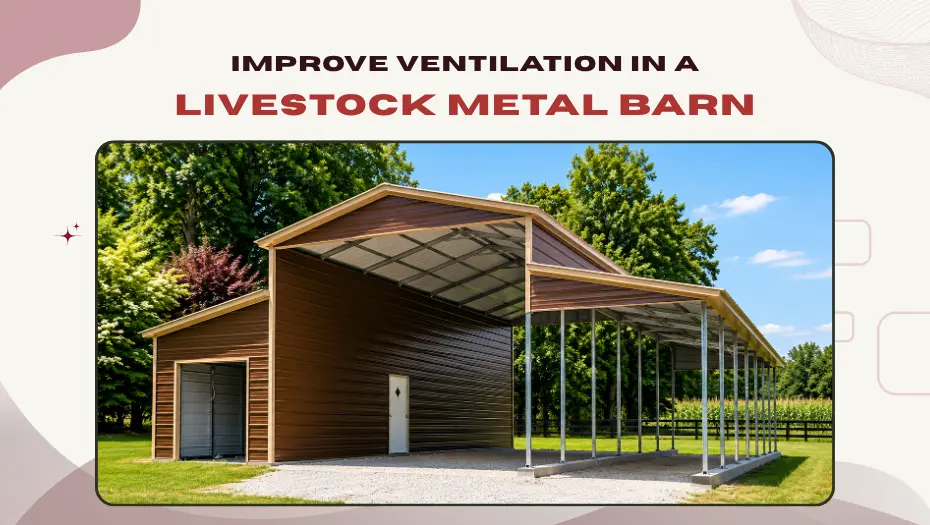
A properly designed livestock barn can make airflow management easier through suitable openings, building orientation, roof configuration, and ventilation features.
For enclosed livestock buildings, consider:
- Air circulation
- Moisture levels
- Building openings
- Animal density
- Seasonal weather
- Bedding conditions
A well-planned metal livestock barn can provide a durable shelter that is designed around these practical considerations.
8. Use Physical Barriers Where Appropriate
Physical barriers can help limit pest entry into certain livestock areas.
Depending on the building and animal requirements, options may include:
- Screens
- Properly fitted doors
- Door sweeps
- Protected feed-storage areas
- Sealed openings where appropriate
However, avoid restricting necessary ventilation simply to prevent insects from entering. Livestock housing needs to balance pest management with adequate airflow and animal comfort.
9. Inspect Livestock Regularly
Regular animal observation helps identify pest problems before they become widespread.
Look for:
- Excessive scratching
- Frequent tail switching
- Skin irritation
- Swelling
- Visible ticks
- Excessive rubbing
- Eye irritation
- Changes in behavior
- Unusual restlessness
If you notice persistent or concerning symptoms, seek advice from a qualified veterinarian.
10. Use Integrated Pest Management
Rather than depending on one method, consider an integrated pest management (IPM) approach.
A practical IPM strategy combines:
Prevention → Monitoring → Sanitation → Environmental Management → Physical Controls → Appropriate Treatment
This means reducing the conditions that attract pests first, monitoring pest activity, and then using suitable control measures when necessary.
Any pesticide, insecticide, or other chemical treatment should be selected and used according to its label and applicable livestock-safety requirements. When in doubt, consult a veterinarian or qualified pest-control professional.
How Can a Barn Help With Livestock Pest Management?
A barn does not eliminate flies or pests, but a well-designed livestock building can make sanitation, ventilation, feed storage, drainage, and daily animal management easier.
When planning a livestock barn, consider:
- Adequate ventilation
- Easy equipment and animal access
- Appropriate drainage
- Cleanable surfaces
- Convenient feeding areas
- Protected feed storage
- Proper livestock spacing
- Easy manure removal
- Doors and openings suitable for the building’s use
For example, a metal livestock barn can be configured around your livestock housing and daily farm operations while providing a durable covered environment.
The important point is that building design should support your pest-management routine rather than be viewed as a replacement for sanitation and animal care.
How to Keep a Livestock Barn Clean
A consistent cleaning schedule can help prevent conditions that attract pests.
Daily Tasks
- Remove manure buildup.
- Clean visible feed spills.
- Check water sources.
- Inspect livestock.
- Look for new pest activity.
Weekly Tasks
- Inspect bedding conditions.
- Clean feeding areas.
- Check drainage.
- Inspect water lines and troughs.
- Look for pest entry points.
Periodic Tasks
- Deep-clean appropriate areas.
- Review feed-storage practices.
- Inspect building openings.
- Evaluate ventilation.
- Review your overall pest-control strategy.
The exact schedule should be adjusted according to animal numbers, species, housing conditions, climate, and farm operations.
How to Keep Rodents Away From Livestock Feed
Rodent control starts with removing easy access to food and shelter.
Follow these basic practices:
- Store grain and feed in suitable, secure containers.
- Clean spills immediately.
- Keep storage areas dry and organized.
- Remove unnecessary waste.
- Inspect areas around doors and walls.
- Avoid leaving feed exposed overnight when practical.
- Monitor for droppings, gnaw marks, and other signs of activity.
A dedicated storage area within or alongside a properly planned agricultural building can help keep feed and supplies more organized and protected.
Livestock Pest-Control Checklist
| Task | Recommended Routine |
|---|---|
| Remove manure | Regularly |
| Clean spilled feed | Immediately |
| Check water sources | Daily |
| Inspect animals | Daily |
| Check bedding | Regularly |
| Inspect drainage | Regularly and after heavy rain |
| Monitor pest activity | Regularly |
| Clean feed-storage areas | Regularly |
| Inspect building openings | Periodically |
| Review pest-management practices | Seasonally or as needed |
When Should You Seek Professional Help?
Some pest problems require more than routine cleaning and prevention.
Consider professional assistance when:
- Pest populations remain high despite preventive measures.
- Rodent activity is widespread.
- Livestock develop persistent irritation or other concerning symptoms.
- You suspect a pest-related disease issue.
- You need guidance selecting an appropriate pest-control treatment.
- Infestations are affecting feed-storage or livestock areas.
For animal health concerns, a veterinarian should be your primary source of professional guidance.
Final Thoughts
Protecting livestock from flies and pests requires a consistent, multi-step approach. Keeping manure under control, maintaining dry bedding, eliminating standing water, protecting feed, cleaning water sources, improving appropriate ventilation, and regularly inspecting animals can all contribute to better livestock management.
A well-planned livestock barn can support these practices by providing organized space for animals, feed, equipment, and daily farm operations. If you’re planning a new shelter, consider ventilation, drainage, access, cleaning, feed storage, and livestock requirements before choosing your building design.
For farms looking for a durable agricultural shelter, explore steel livestock barn options that can be configured around your animals, property, and day-to-day requirements.
Related articles