December 16, 2025



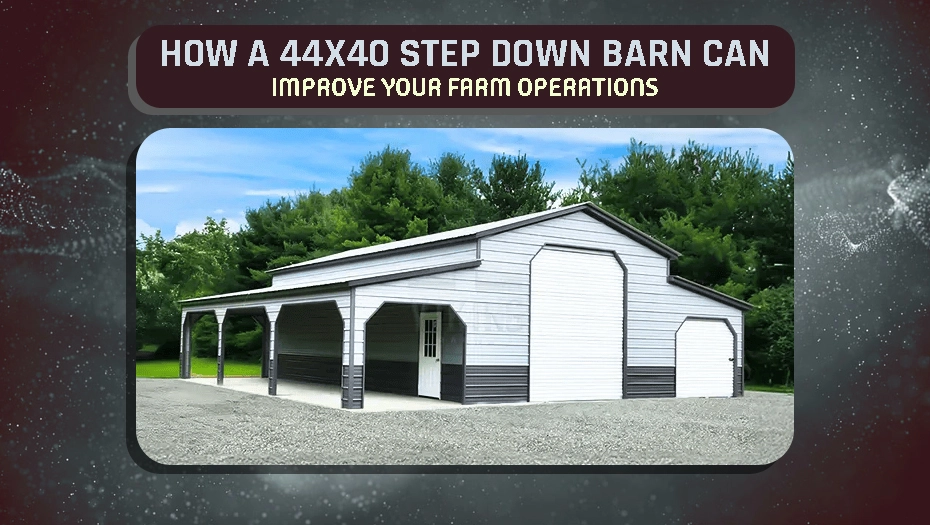
A step down barn is a smart solution for building on uneven or sloped land without heavy site work. Instead of forcing the land to become flat, this design works with the natural slope and creates a split-level structure that improves functionality and space usage.
In recent years, the demand for step down style barn designs has increased, especially in rural and semi-urban areas. Farmers and property owners are choosing metal step down barn and prefab step down barn options because they reduce construction costs, improve drainage, and allow flexible usage.
This guide covers how these barns work and where they perform best.
Below are the most practical and profitable use cases for step-down barn structures.
A step down barn is a multi-level structure built on uneven or sloped land where one section is lower than the other. This design maximizes space efficiency, improves drainage, and reduces site preparation costs compared to traditional flat barn structures.
You Might Like: Reasons To Choose A Step-Down Barn Over A Traditional Barn
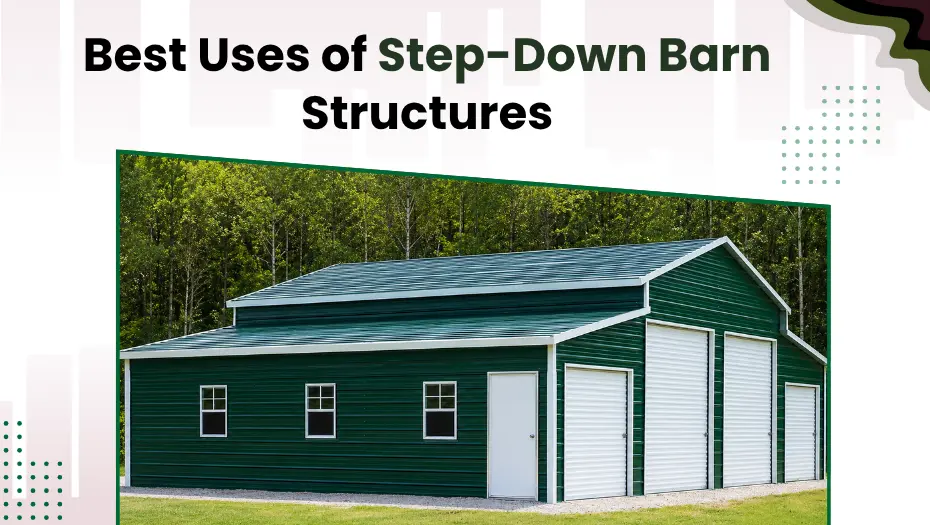
A step down metal barn is designed to follow the natural slope of the land. Instead of leveling the entire area, builders create two or more connected sections at different elevations for the custom barn installation.
This split-level structure allows you to divide the space based on function. For example, the upper level can be used for storage, while the lower level can house livestock or equipment.
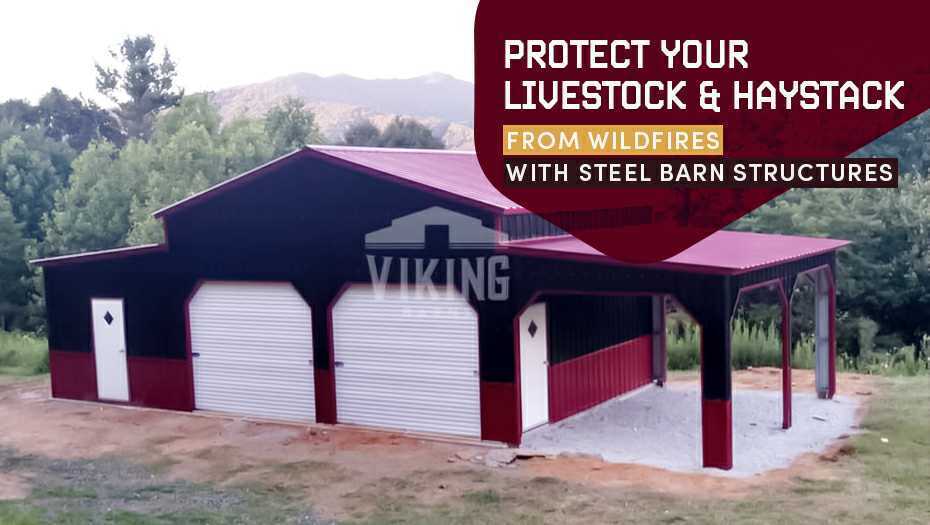
The elevation difference helps in natural water flow, which reduces water accumulation and keeps the structure dry. Mostly, these metal farm buildings have a step-down structure with vertical roof panels. It makes organization easy and protects livestock and hay from weather-related damage.
This design is commonly used in modern metal barn and farm buildings because it offers both practicality and long-term savings.
A step down metal barn is highly effective for livestock management on uneven land. Animals can be kept on leveled sections while the natural slope helps in waste drainage.
This setup reduces mud formation, keeps animals cleaner, and improves overall hygiene.
One of the smartest uses of this design is separating hay storage and feeding areas.
The upper level can store dry hay safely away from moisture, while the lower level can be used for feeding or equipment access. This type of setup is commonly seen in metal hay barns where space organization is critical. Businesses can plan custom metal hay storage as per their needs effectively with a step-down structure.
If you need both storage and a working area, a step down barn makes things easier.
You can use different levels for:
This separation improves safety and workflow efficiency, especially for large farms.
Modern farms need flexibility, and step down style barn designs support that well.
You can combine:
This makes step down structures ideal for metal farm buildings that serve multiple functions without requiring extra land.
This is one of the biggest advantages.
Instead of spending heavily on land grading, a step down barn adapts to the terrain. This reduces construction effort and cost, making it a preferred option in hilly regions.
This is an emerging trend in 2026.
Some property owners are building hybrid barns where:
This design is gaining popularity due to land optimization and multifunctional use.
If you are searching for the right barn for your livestock in drainage-sensitive areas where water accumulation is the biggest problem, step down barns work very well here.
The elevation difference allows water to flow naturally away from the structure. This reduces the risk of flooding and protects stored materials and livestock.
The cost of a prefab step down barn depends on several factors, but generally, prices can range from moderate to high depending on customization.
Key factors that affect pricing include:
In many cases, the reduced cost of land preparation balances out the structural cost, making it a cost-efficient option overall.
| Feature | Step-down barn | Traditional barn |
| Land Suitability | Sloped | Flat |
| Cost Efficiency | High | Moderate |
| Drainage | Excellent | Average |
A step down barn is usually a better choice if your land is uneven or if you want more flexibility in design and usage.
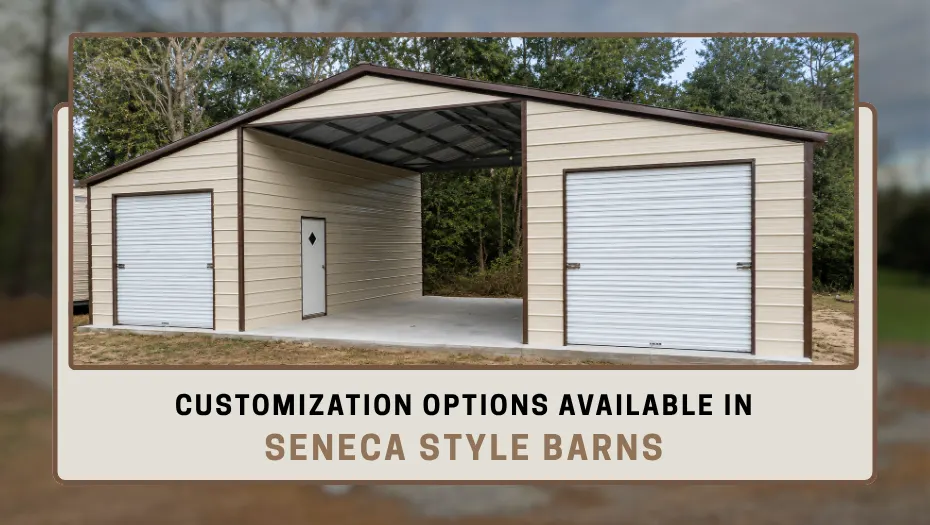
When planning a step down steel barn, customization plays a big role.
You can choose from:
These customization options for step down steel barn help improve both function and appearance.
Yes, permits are usually required, but they vary based on location.
You may need to consider:
It is always better to check with local authorities before starting construction.
Before building a step down barn, proper planning is important.
Key steps include:
Working with experienced builders can make the process smoother.
Expand each item below to explore a few helpful answers before moving to the next blog post.