Loading...
Summer is the best time to go out and ride with your horse. You can spend as much time with your equestrian friend as you want. Horses can also graze outside for a longer time and roam to far places. But scorching sunlight becomes a barrier to this joy. Heat, bugs, dehydration, and exhaustion can be dangerous for horses if not managed properly. Hot weather creates an uncomfortable environment for horses. They can even get ill if they remain under the scorching sunlight for a long time.
What can you do to protect them? What are the best ideas to keep them safe so they don’t get ill? We have shared 7 essential tips to protect your horses this summer. Go through all the tips and follow them to ensure better health and living for your equestrian friend.
How Bad Can Summer Be for Your Horses?
Summer indeed comes with long hours and leisure time, but it also comes with hot waves and scorching heat. These months can be especially tough on horses if you do not properly care for them. High temperatures, strong sunlight, and increased humidity can lead to heat stress, dehydration, sunburn, and even life-threatening conditions like heatstroke. Horses don’t handle heat as easily as humans. They sweat to cool down, but in extreme temperatures, sweating alone isn’t enough.
If your horse doesn’t drink enough water, it can become dehydrated, which can lead to many other problems in horses. Light-colored horses face more problems, like painful sunburns on sensitive areas. They can have sunburn around the nose and around the eyes. Bugs are also more active in summer. Flies, ticks, and mosquitoes can cause skin infections, spread disease, and make your horse feel uncomfortable.
After a long hour riding, your horse needs a place where it can relax and live calmly. But sometimes, they don’t feel comfortable even inside a barn because it’s not designed with ventilation in mind.
In short, summer can go from uncomfortable to dangerous very quickly.
But with a few simple precautions and tips, you can keep your horse safe and healthy all season long. Prevention is always better than emergency care when it comes to summer horse health.
Related Blog: Provide A Safe And Secure Environment For Your Horses
7 Easy Tips to Protect Your Horse from Hot Summer Seasons
We have shared a list of essential yet easy tips to follow if you want to protect your horse. Go through them to ensure safety for your horses this summer.
1. Choose a Customized Steel Barn:
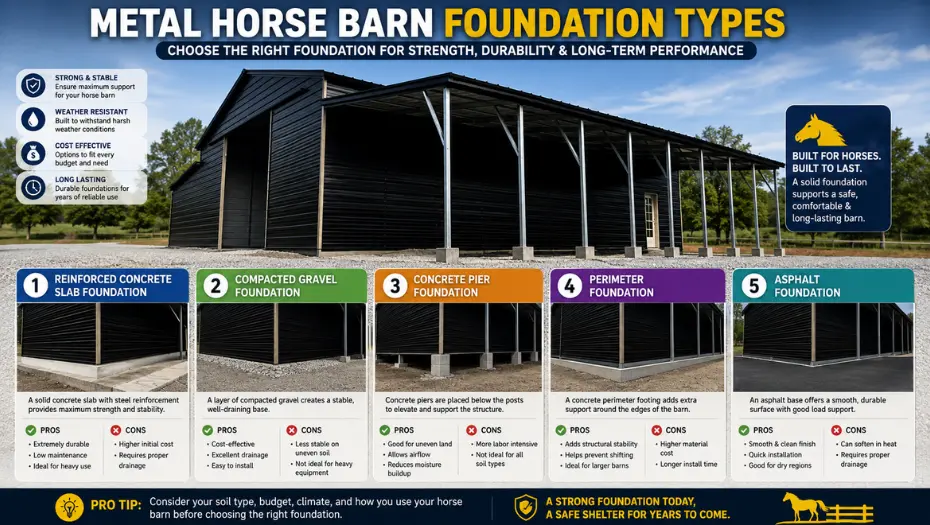
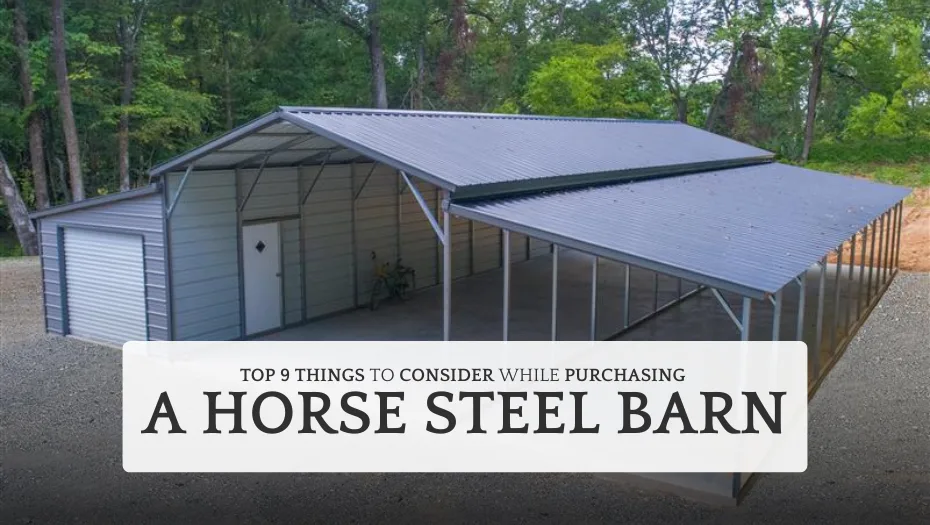
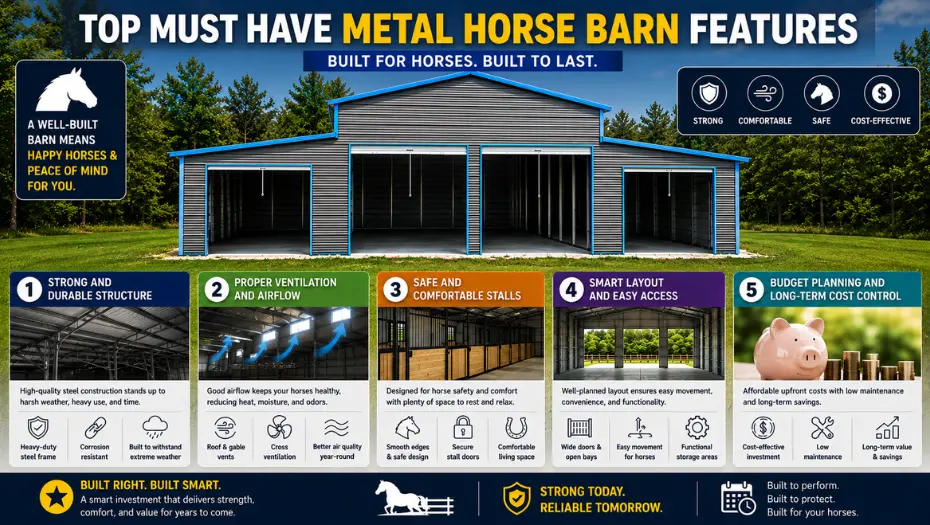
The first step should be choosing a shelter for your horses. Because this is the place where they live, graze, drink water, and escape from heat waves. You can invest in metal horse barns because they are easy to install, customized, and flexible. You can create separate zones for different practices of horses and house other livestock as well. Moreover, a horse steel barn can be insulated easily.
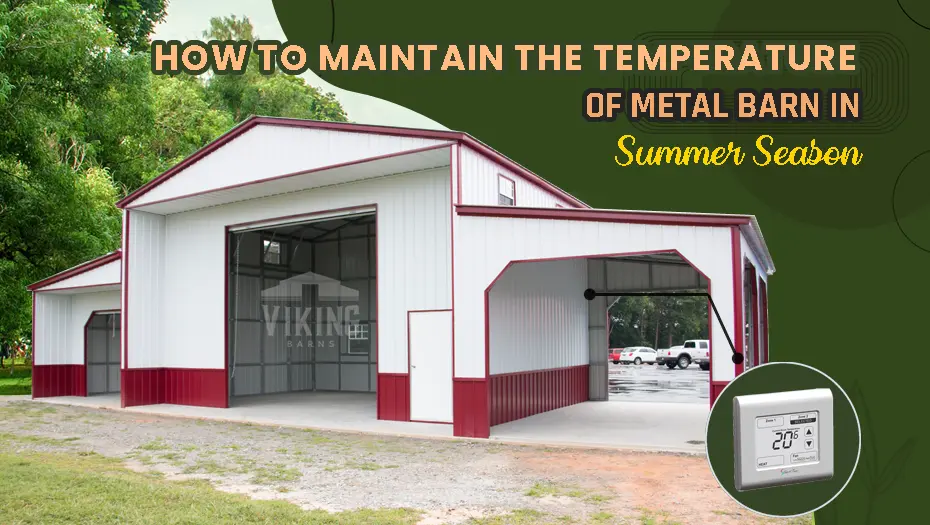
Insulation options like single bubble, double bubble, woven R-17, and others keep your steel structure cool in summer. Horses will feel comfortable inside throughout the summer and winter. Moreover, you can add as many windows and doors to a barn as you want for proper ventilation.
2. Provide Constant Access to Clean, Cool Water:
Since it is summer, water intake increases for everybody, so animals like horses. Hydration is everything for horses in hot weather to stay away from health issues. Horses sweat to cool down, just like people. But when they lose too much fluid and salt, they can quickly become dehydrated or develop heat stress.
To handle this problem, ensure enough water intake. Make available fresh and clean water at all times for your horses so they do not dehydrate. If you have a metal barn for horses, customize the structure and make a separate space for watering. In hot barns, use automatic waterers or keep buckets full in shaded areas. Likewise, check that all horses are drinking enough water.
3. Adjust Riding Schedules to Cooler Hours:
Do not take your horse for a ride at noon when the sun is at its high. Keep your horse inside the barn at these hours. Riding for long hours raises their body temperature even faster, as a result, they can dehydrate in the middle of the way and get sick. Overheating during rides can lead to exhaustion, muscle cramps, or worse. So, it’s better that you take them out for a ride during the early hours and sunset.
Generally, these hours are not that warm, so you and your equestrian friend can ride comfortably. If you want to ride at noon, keep sessions short and slow to avoid burnouts. Do not forget to cool down after rides.
4. Cool Your Horse Down Safely After a Ride:
This step might seem trivial, but it has a major impact on the horse’s health. After any activity, even after a small ride, your horse takes time to cool down. Its body temperature takes time to get normal. Walk the horse slowly after a ride of even 10-15 minutes. It can help immensely, especially in summer months.
Hose them down with cool water, starting from the legs up. Use a sweat scraper to remove excess water from their body. It helps the body cool faster and makes the horse feel relaxed. After this, let them rest in shaded areas like prefabricated horse barns.
5. Feed light Food and Adjust Their Diet for Heat:
Horses generate internal heat during digestion. It especially happens when they eat something with high fiber, like hay. In summer, lighter and more moisture-rich diets can reduce heat stress. So, you should feed them light food at regular intervals. But offer them good-quality pasture grazing if available, it’s cooling and hydrating.
You can also reduce grain if the horse isn’t working hard. But also ensure, horses do not starve for food, otherwise they might face challenges during a ride.
6. Watch for Signs of Heat Stress:
Many times, you follow all the right practices to keep your horse healthy, even in hot summers, but fail to observe changes in the animal. They can get ill without your knowledge. So, always keep an eye on your horse’ health. They can show signs of overheating or dehydration even after care.
Here are the red flags to look for:
- Excessive sweating or no sweating at all
- Lethargy or wobbling
- Fast breathing or flared nostrils
- Dark or dry gums
- Sunken eyes or skin that doesn’t snap back
In this situation, move your horse to a steel barn structure immediately. Offer cool water and hose down the body. You can also use ice packs on the neck or legs. Call a doctor if symptoms don’t improve in 15–20 minutes.
7. Groom Regularly to Remove Access Heat:
Last tip, but as crucial as the ones shared above. Groom your horse regularly, as it helps to remove sweat, dirt, and loose hair. It is an effective process to make the horse feel cool and comfortable in hot weather. It also prevents skin irritation and allows better airflow over the body.
For this, use a curry comb and a soft brush specially made for animals. Do this, especially after you come back with the horse, or it is too hot outside that your horse is feeling uncomfortable even without a ride. It will help you maintain your horse’s hygiene and comfort during summer.
You Might Like to Read: How To Maintain The Temperature Of Metal Barn In Summer Season
A Reliable Dealer for High-quality Steel Barn
As you noticed, a ventilated shelter plays a crucial role in saving horses from the hot summer months. So, choose the best quality structure for your equestrian friend. It should be durable, customized, insulated, and strong enough to withstand extreme temperatures like scorching summers. We at Viking Barns offer such solutions to ranchers and horse owners like you. No matter why you need a prefabricated structure, you can adjust its dimensions, panels, frames, and many other things. Your livestock will feel comfortable throughout the year in our insulated structure. Because it not only keeps the structure cool in summer but also warm in winter.
Related articles