July 13, 2026



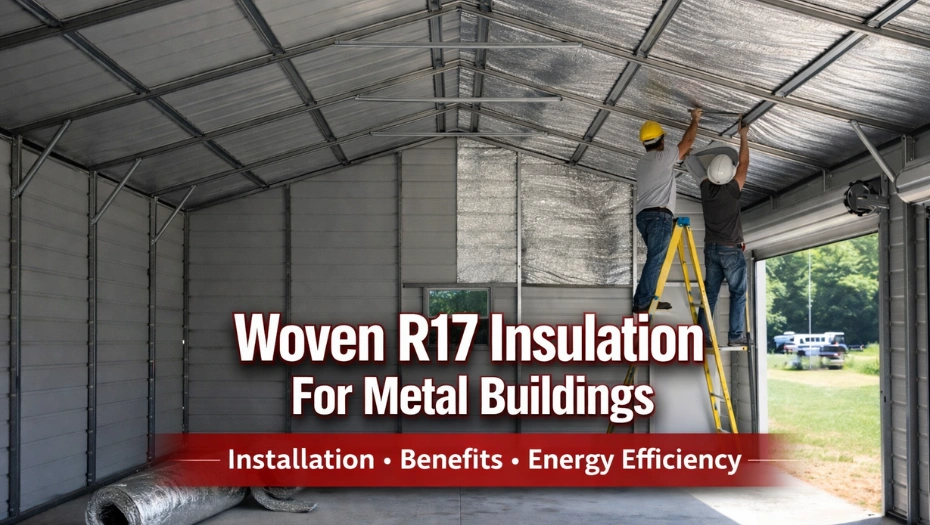
If you have ever walked into a metal garage in summer and felt like you stepped into an oven, or noticed water droplets forming on the ceiling in winter, you have already seen why insulation matters. Metal conducts heat faster than wood, which makes temperature swings and condensation serious issues in steel buildings.
That’s why choosing the right insulation for metal buildings is not just about comfort, it’s about protecting your investment. Among the newer and increasingly popular options, woven R-17 insulation is gaining attention for balancing thermal performance, moisture control, and affordability. But is it the right fit for your project? Let’s find out.
Also Read: Why Choose Viking Barns for Metal Barns in the USA?
Before choosing a product, it’s important to understand why insulation behaves differently in metal structures compared to traditional construction.
Metal structures heat up quickly under sunlight and cool down just as fast at night. This rapid temperature shift causes condensation when warm air meets a cold metal surface. Over time, condensation can lead to corrosion, dripping water, mold growth, and damage to stored equipment.
Steel buildings, especially prefab structures, often have thin exterior panels. Without insulation, heat gain in summer and heat loss in winter can increase energy costs by 20-40%. That’s why insulation is not optional; it’s essential.
R-value measures thermal resistance. The higher the R-value, the better the insulation slows down heat transfer. Many buyers ask, “What R value insulation do I need?” The answer depends on the climate. In moderate regions, R-13 to R-19 is common for walls. But roofs may require R-19 to R-30.
Some buyers also ask, “Which insulation has the highest R value?” Spray foam typically provides a higher R-value per inch, but performance depends on application and budget. That brings us to woven R-17.
Now that you understand why insulation is critical, let’s talk about what woven R-17 actually is. It is one of the insulation types that is used for steel buildings.
Many buyers wonder, “How thick is woven R-17 insulation?” Typically, it measures around 3 to 4 inches in compressed form when installed. It combines a woven polyethylene facing with fiberglass insulation and a vapor-barrier backing. The woven facing adds durability and tear resistance compared to standard fiberglass rolls.
Woven R-17 insulation for metal buildings works in three ways. First, the fiberglass core slows heat transfer. Second, the woven reflective surface reduces radiant heat. Third, the built-in vapor barrier minimizes condensation.
This combination makes it particularly suitable for steel buildings where both thermal resistance and moisture control are equally important.
Unlike traditional wall insulation used in residential homes, woven R-17 is built to handle large open spans and exposed framing. It integrates well into steel buildings and prefab structures without requiring interior drywall.
Before choosing woven R-17 let’s compare it with other insulation options. So, you can identify the pros and cons and choose the best type of insulation for your metal structure.
When comparing woven R-17 insulation vs double bubble, performance is noticeably different. Double bubble insulation primarily acts as a radiant barrier. Its R-value is much lower unless paired with air gaps. Woven R-17 provides true thermal resistance through fiberglass thickness, making it more effective in extreme climates.
Looking at woven R-17 insulation vs spray foam insulation, the key differences are cost and installation. Spray foam provides a higher R-value per inch and air sealing, but costs 2–3 times more per square foot. Woven R-17 offers solid performance at a lower upfront cost and easier installation.
If budget is the primary concern, fiberglass and woven systems are generally more affordable than spray foam. However, affordability must be balanced with long-term energy savings.
Here is a clean comparison table:
|
Feature |
Woven R-17 | Double Bubble | Spray Foam |
|
R-Value |
R-17 | R-1 to R-3 | R-6 to R-7 per inch |
|
Avg Cost/Sq Ft |
$1.5–$2.5 | $0.5–$1 | $3–$6 |
| Vapor Barrier | Yes | Limited |
Yes |
| Installation | Moderate | Easy |
Professional required |
| Best For | Metal buildings | Radiant barrier only |
High efficiency builds |
Choosing an insulation for your prefab garage, barn, or shed without a budget planning can be a risky decision. Because many things are considered before coming to the right budget. An insulation type right for your friend’s garage in Texas might not be the right fit for your garage in California.
The woven R17 insulation price typically ranges between $1.50 to $2.50 per square foot for material. Installation may add another $1 to $2 per square foot, depending on building complexity.
If you are asking, “How much to insulate a 30×40 metal building?”, let’s calculate. A 30×40 structure has 1,200 square feet of floor space. Including walls and roof surface area, insulation coverage may reach around 2,000 square feet. At $2 per square foot, the total material cost could be around $4,000. Installed, it may range from $6,000 to $8,000.
Some buyers think layering insulation doubles performance. Does doubling up increase the R value? Technically, yes, but not always proportionally. Without proper ventilation, layering may trap moisture and reduce efficiency.
You Might Like: Why Choose a Metal Red Barn? Benefits, Uses & Design Ideas
Once pricing makes sense, installation questions come next. Knowing pricing alone can’t help you make the decision.
Many ask, “How to install Woven R-17 insulation?” It is typically installed between the metal framing and exterior panels during construction. Rolls are secured across purlins and girts before panel attachment, ensuring full coverage and vapor barrier continuity.
A common concern is, “Can mice chew through insulation?” Fiberglass insulation can be disturbed by rodents, but woven facing offers added durability. Proper sealing of gaps and anchors is equally important.
Buyers also ask, “What happens if you over insulate?” Excessive insulation without ventilation can trap moisture, leading to condensation problems. Balance is key. However, anchors also play a crucial role in ensuring better insulation.
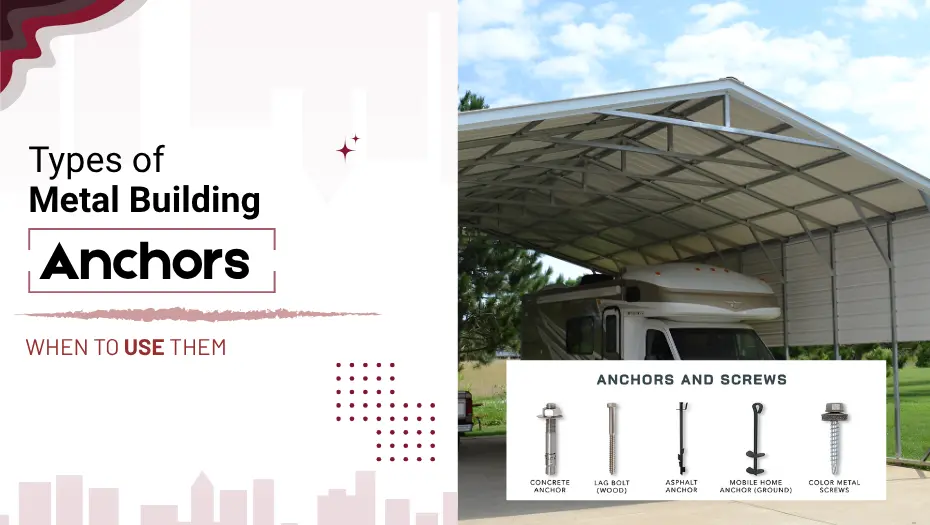
While insulation protects the interior, structural stability depends on proper anchoring. Types of anchors and when to use them vary, such as concrete wedge anchors for slabs and mobile home anchors for ground installations. Insulation should never interfere with anchoring integrity.
Not every structure needs the same insulation approach. It’s because everyone has unique needs for building. They might have their metal barn in a region where heavy rainfall is common or snowfall. There can be many other factors. Follow the tips below to choose the right insulation.
The difference between metal barns, garages, and carports affects insulation needs. Carports are typically open and may not require full insulation. Garages often need temperature control. Barns may require moisture control for livestock or equipment storage.
When asking, “What type of insulation is best for steel buildings?” the answer depends on use. For workshops or conditioned spaces, woven R-17 works well. For extreme climates, spray foam may offer added performance.
Today’s buyers want to integrate technology in modern barns, including smart ventilation and humidity monitoring. Insulation works best when paired with proper airflow systems. It allows the technology integration into the structure and ensures better functioning.
To buy a metal building, ensure you know about your needs of the region. It will help you decide on the features and insulation type. So, before requesting pricing, consider climate zone, building usage, square footage, ventilation design, and budget. Because it will help you know what to ask before getting a quote. The right questions provide clarity. It ensures accurate quotes and avoids overspending.
But where to buy an insulated metal building? Who are the trusted steel building suppliers? To do this, make a list of reputable dealers offering woven R-17 insulation for sale, with clear product specifications and warranty details. Local suppliers may reduce shipping costs, while online vendors often provide competitive pricing for larger projects.
Woven R-17 insulation for metal buildings offers a practical balance between cost, performance, and moisture control. It may not have the highest R-value on the market, but it delivers reliable thermal resistance without the high price tag of spray foam.
For many prefab structures, it provides the protection needed to prevent condensation, control temperature, and extend structural lifespan. The key is understanding your building’s purpose, climate conditions, and long-term goals.
When insulation is chosen strategically, it doesn’t just improve comfort, it protects your entire investment.