Why Farm Metal Buildings Are The Best Investment For Your Farm?
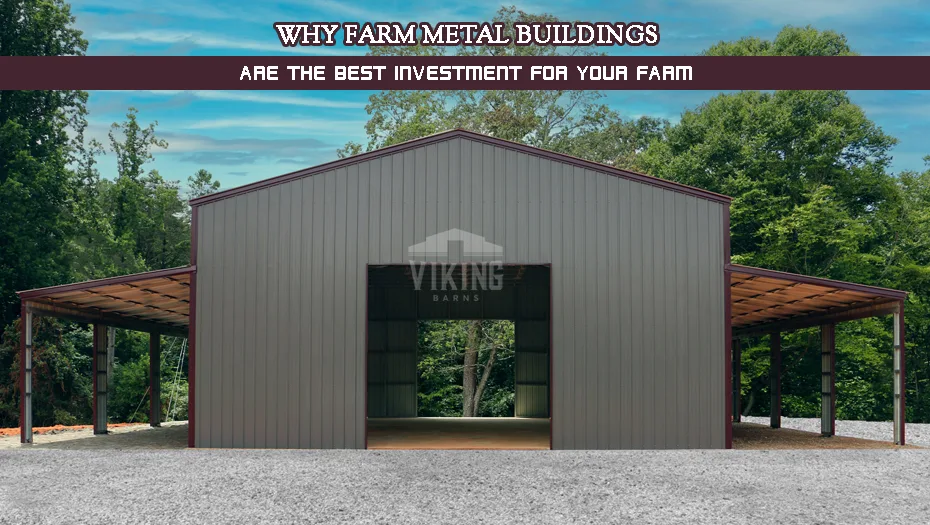
Imagine today’s farm! It is not just a red barn and a muddy tractor. It’s GPS-guided equipment, weather-smart planning, and buildings that work as hard as you do. Farmers now use tech to track crops, manage animals, and store tools safely because every dollar counts and every decision matters.
The U.S. metal buildings continue to rise 8.4% annually as more and more farm owners are choosing metal farm buildings for agriculture. This is mainly because old wooden barns don’t last long, cost more to fix, and require constant upkeep to shine. On the flip side, a steel farm building is strong, easy to build, and doesn’t rot or burn easily. It’s built to handle tough weather, heavy use, and changing farm needs.
Whether you want to raise cattle, grow corn, or run a farm shop, a metal structure can help you save money, protect your gear, and plan for the future. Let’s explore why it’s a smart choice for farms and ranches.
1. Cost Effectiveness Of Metal Farm Building Construction That Pays Off
Metal buildings save farmers’ money during construction and in the long run, as:
- Prefab farm buildings’ components are made in a factory, shipped in parts, and ready to assemble on-site. This cuts down labor costs and build time.
- Farmers don’t need to hire a big crew or go through months of construction, as most metal barn buildings go up in days or weeks.
- Steel frames need minimal maintenance. No repainting, no rot or decaying posts, and no termite damage! With less hassle and fewer repairs, farm owners save tons on operational costs.
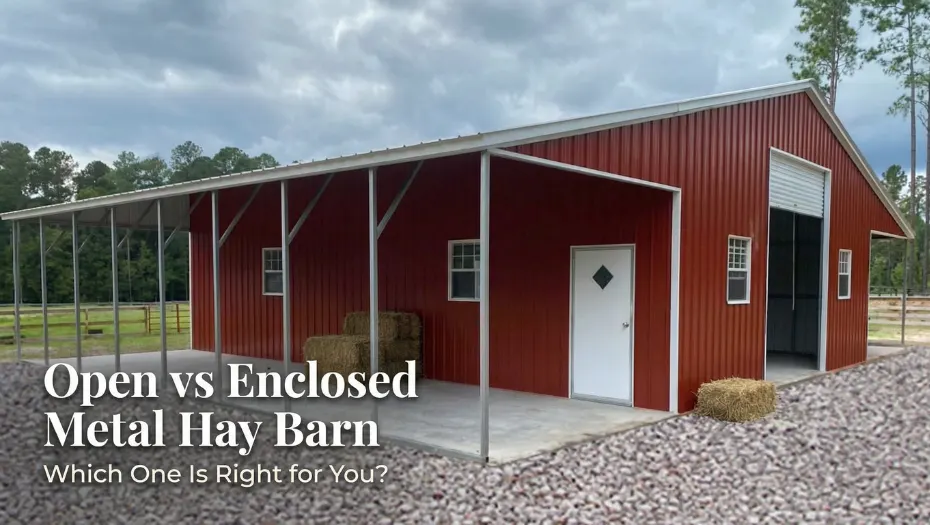
With energy-efficient insulations, like woven R17, one can lower heating and cooling bills, especially in extreme weather. - For example, a typical 40 x 30 drop down metal barn costs start at $25893, with 42 ft. wide, 30 ft. long, and 12 ft. high, with two walk-in doors, two roll-up garage doors, and two lean-tos on each side. You can further customize this based on your farm/ ranch needs.
- Structural steel has a 1-2 hours of fire resistance rating (FRR) globally, which shows how steel can withstand a standard fire test without losing its load-bearing capacity. So, farmers will spend less on insurance premiums and hefty repairs.
- Compared to wood, steel structure offers better value and more usable space (esp. with clear span designs) per square foot and hold up longer under heavy use.
2. A Steel Farm Building Is Built To Withstand Harsh Weather And Farm Life
Tough farm life demands a robust agricultural building with:
- Certified steel buildings are engineered to handle extreme conditions up to 180 mph of winds and up to 80 PSF of snow loads, making the installation process for metal barns in Texas and other states handy.
- Being resistant to pests and mold, steel prefab barns are ideal for humid zones and unpredictable weather.
- Just with regular inspection and occasional cleaning, farmers can maintain barn’s long-term strength & durability.
- Ranchers can install lockable doors, rodent-proof framing, and Weather-tight seals to keep tools, feed, tractors, hay, and livestock safe.
- The corrugated metal panels in vertical roof barns slide off snow and rainwater easily and require less frequent cleaning.
- Steel barns are great for areas with high humidity where wood would warp or decay, making them safer and more durable.
3. Versatile Uses Of Prefab Farm Buildings
No two farms are the same, that’s why metal agricultural buildings are built to match farm-specific needs:
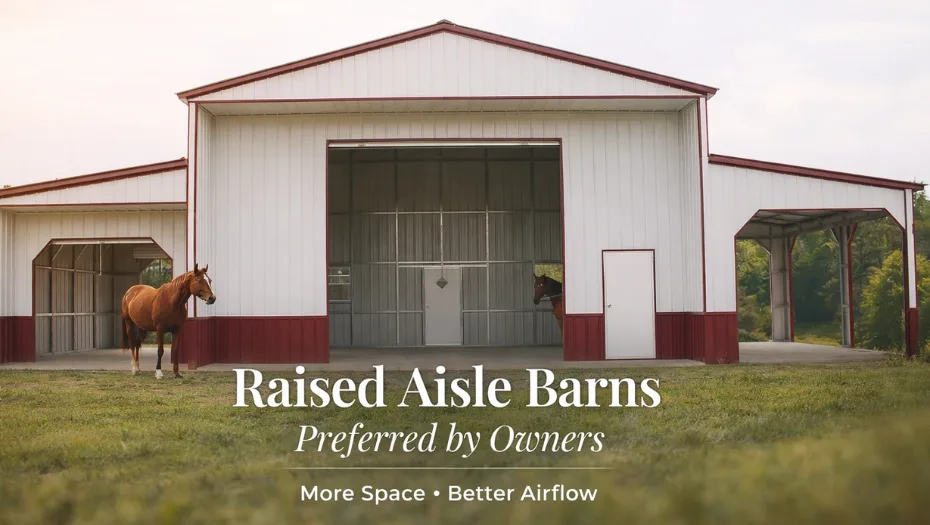
- You can use them for livestock shelters, equipment storage, feed/tack rooms, farm-to-table restaurants, on-site food processing units, metal hay barns, and even as a farm office.
- Ranchers can add wash bays, skylights, ventilation systems, and even solar panels over the metal roof to fit their workflow.
- You can choose clear span interiors without internal supporting columns/ walls, giving an open, wide floor plan to customize. Clear span buildings on a farm will help move large farm vehicles, shelter your popular cattle breed herds, etc., without bumping into posts.
- If you need more space in the future, metal structures can be expanded to add more bays by increasing length or by adding lean-tos on the sides, without the need to install a new barn.
- Farmers can choose different door sizes, roof styles, wainscoting, and façade finishes to match your property.
4. Sustainability And Energy Efficiency Of Prebuilt Farm Structures
Farm agricultural structures are not just strong, but good for the planet too:
- Structural steel is 100% recyclable, and most metal barns use recycled steel from the start. So, fewer trees are cut and less waste ends up in landfills.
- Using hydrogen to make steel and melting scrap metal in electric furnaces are the most advanced clean-tech methods today. They can cut carbon emissions by up to 95%.
- Many metal roofs are solar-ready, so you can install panels and generate your own power for free. You can also integrate rainwater harvesting systems to collect water for crops or livestock.
- You can add insulation with a higher R-value, like spray foam or fiberglass, to keep your barn warm in winter and cool in summer. Insulation also reduces energy use, and you get a lighter environmental footprint.
- Many steel structures can help you meet green building standards (LEED certifications) and qualify for sustainability incentives for a farm or ranch.
5. Resale Value And Insurance Perks Of Steel Farm Structures
Wondering how a metal ag barn will add value to your farm? Let’s see:
- Metal farm buildings are easier to finance and insure than wood barns due to their higher durability and structural stability over time.
- Most metal building buyers love the low upkeep, long lifespan, and modern look of their metal custom barn.
- Note that the resale value of your steel barn will depend on several factors, like its size, condition, and any unique features or customization. For example, an insulated horse barn will fetch you a good resale value over a non-insulated one.
Why Waiting Can Increase The Steel Barn Cost?
Steel prices are rising due to global supply & demand and increasing tariff rates. So, waiting could mean paying more later. But you can plan ahead to lock in current prices and avoid delays during busy seasons.
Since metal prefab barns are scalable, you can start small and expand as your farm grows. Just make sure to discuss removable end walls before buying.
Don’t Let Tarps And Termites Win, Go Metal!
Steel farm structures are tough and don’t crack, warp, or fall apart like wood. They stand strong through storms, snow, and blazing heat. This means farmers need fewer repairs, saving money over time. These buildings are also flexible, so farm owners can use them for storing hay, parking tractors, sheltering animals, or starting a farm-to-table restaurant/ shop.
And since these structures are made using steel frames and metal panels, they are good for our planet too. That’s not just smart farming, it is a smart business.


 Alabama AL

 American Steel Carports Inc.