How to Maintain Metal Farm Buildings for Long-Term Use
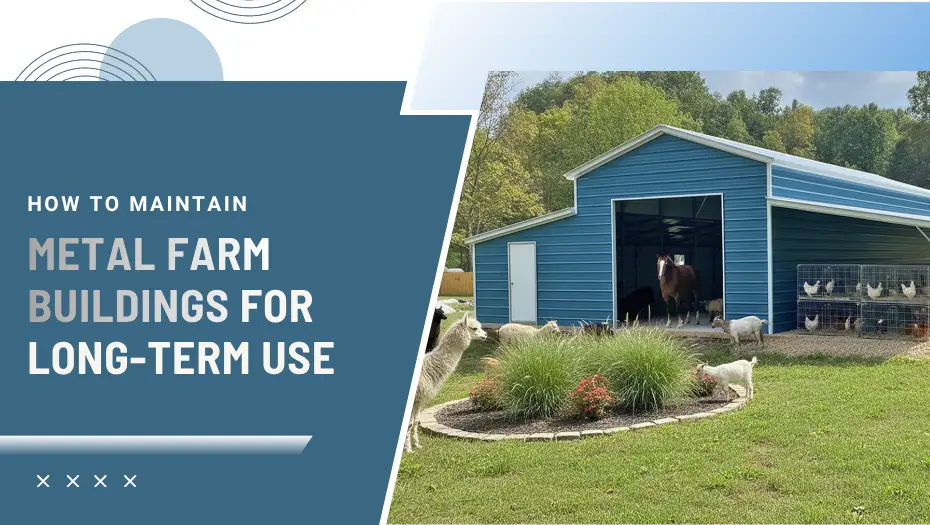
Metal farm buildings are built to last. A well-engineered steel farm building can serve your operation reliably for 30 to 50 years, protecting your equipment, livestock, and harvests through every season. But that kind of longevity does not happen on its own. Like any hard-working asset on your property, it needs consistent attention to keep performing at its best.
The good news is that maintaining metal agricultural buildings is far simpler and less costly than maintaining wood structures. There is no rot to treat, no termite damage to repair, and no warped framing to address. What you do need is a straightforward routine that catches small issues before they grow into expensive problems.
This guide walks you through everything you need to keep your steel farm buildings in top condition, season after season, for decades to come.
How Do You Maintain Metal Farm Buildings?
Here is a quick reference summary if you need the core checklist right away:
- Inspect the structure thoroughly at least twice a year
- Clean panels regularly to prevent dirt and debris buildup
- Check for rust spots early and treat them before they spread
- Ensure proper drainage around the base of the building
- Tighten bolts, screws, and fasteners after every storm season
- Maintain ventilation systems to prevent moisture and condensation
Each of these steps is simple to do on a schedule. The sections below break down exactly how to handle each one.
Why Is Maintenance Important for Metal Agricultural Buildings?
Skipping maintenance on a metal agricultural building is one of the most costly mistakes a farm owner can make. The structure may look fine on the outside while small issues quietly compound underneath. Here is why staying on top of it matters:
- Prevents rust and corrosion: Even galvanized steel can develop surface corrosion if scratches or chips are left untreated. Catching it early costs very little. Letting it spread can compromise panels and structural members.
- Extends the building’s lifespan: Agriculture metal buildings that receive consistent care routinely last 40 to 50 years. Neglected structures can deteriorate in half that time, requiring costly rehabilitation or full replacement.
- Protects what is inside: Whether you store tractors, house livestock, or keep hay dry, the building only does its job if the roof, walls, and seals are all working correctly.
- Maintains structural integrity: Loose fasteners and damaged panels can compromise the load-bearing capacity of your steel farm building, especially during high-wind or heavy-snow events.
- Reduces long-term repair costs: A $50 tube of rust-inhibiting paint today can prevent a $5,000 panel replacement two years from now. Routine maintenance is an investment with a very clear return.
With the why established, let’s get into the how.
Complete Maintenance Guide for Steel Farm Buildings
1. Regular Inspection of Steel Farm Buildings
Twice-yearly inspections, ideally in spring and fall, are the foundation of any good maintenance plan. Walk the full perimeter and interior of your steel farm building and check the following:
- Roof panels and ridge cap for dents, lifted edges, or missing fasteners
- Side wall panels for scratches, chips, or any visible surface corrosion
- Anchor bolts at the base of columns to confirm they are tight and undamaged
- Door tracks, hinges, and seals for wear or misalignment
- Interior walls and ceiling for any signs of water intrusion or staining
After any significant storm, do a quick visual pass even outside your regular schedule. Wind-driven debris and hail can cause surface damage that is easy to fix if caught quickly.
2. Cleaning Metal Farm Structures Properly
Dirt, bird droppings, algae, and agricultural dust are constant presences around metal AG buildings. Left on the surface, they hold moisture against the steel and accelerate corrosion over time.
Cleaning is straightforward. Use a mild detergent mixed with water and a soft-bristle brush or low-pressure hose. Work from top to bottom so dirty water drains away as you go. Pay particular attention to panel overlaps and trim edges where debris tends to collect and moisture can sit.
Avoid harsh chemical cleaners, bleach-based products, or abrasive scrubbing pads. These strip protective coatings and leave the steel more vulnerable than before you started. For most metal ag buildings, a thorough clean twice a year is enough to keep surfaces in good condition.
3. Rust Prevention and Treatment
One of the biggest advantages of modern prefab farm buildings is their galvanized steel coating, which provides a strong baseline rust resistance. But any area where that coating is scratched or chipped becomes a potential entry point for corrosion.
During your inspections, look specifically for:
- Areas around fasteners where the coating may have been disturbed during installation
- Panel edges at cut points where raw metal is exposed
- Any surface discoloration that looks orange or brown, even if faint
Treat identified spots promptly. Lightly sand the area to remove loose corrosion, clean the surface, and apply a zinc-based primer followed by a color-matched touch-up paint. This two-step process restores the protective barrier and stops the rust from progressing.
4. Roof Maintenance for Metal Agricultural Buildings
The roof takes more stress than any other part of your structure. Keeping it in good condition is the single most effective thing you can do to protect the entire building.
- Clear leaves, branches, and debris after storms, particularly in the valleys where panels meet
- Check for water pooling, which indicates either a drainage issue or a low point in the panel caused by impact damage
- Inspect the ridge cap and any roof penetrations like vents or skylights for sealant integrity
- For vertical roof buildings, confirm that snow slides freely and does not accumulate in pockets
On agriculture metal buildings with horizontal roofing, debris accumulates faster than on vertical panel roofs. Budget extra time for roof cleaning during fall maintenance.
5. Drainage and Foundation Care
Water pooling around the base of your building is one of the leading causes of structural and foundation problems over time. Good drainage protects both the concrete slab and the steel columns sitting on it.
- Grade the surrounding soil, so water flows away from the building on all sides
- Keep gutters and downspouts clear and confirm they direct water at least three feet from the foundation
- Check for soil erosion at the building corners where downspouts discharge
- Inspect the concrete slab edge for any cracking or heaving that could affect column base plates
This is a quick area to address, but one that often gets overlooked until water damage becomes visible inside the building.
6. Fastener and Structural Checks
The fasteners holding your metal farm building together experience constant stress from thermal expansion, wind loading, and vibration. Over time, screws and bolts can work loose.
- Walk the interior and exterior, checking all visible fastener heads for backing out or rust streaks below them
- Re-torque anchor bolts at the base of main columns annually
- Replace any screws that show corrosion at the head or that no longer pull tight when turned
- After major storms, check all wall and roof fasteners along the windward side of the building
This check takes less than an hour and can prevent panel blow-off during the next high-wind event.
7. Ventilation and Condensation Control
Condensation is the hidden enemy of metal farm buildings. When warm, moist air inside the building meets a cool steel surface, water forms on the panels and drips onto stored equipment, hay, and feed.
- Install or inspect ridge vents to ensure hot, moist air can escape from the peak of the roof
- Use insulation on walls and roof panels to reduce the temperature differential that causes condensation. Explore the differences between spray foam and fiberglass insulation, which are widely used.
- Check that any intake vents at the eave or side walls are clear and unobstructed
- In livestock areas, confirm airflow is adequate to handle the moisture animals generate
Good ventilation also reduces interior heat load in summer, which benefits both livestock comfort and the condition of stored equipment.
8. Pest and Animal Protection
Rodents, birds, and insects are drawn to the shelter and warmth that steel farm buildings provide. Left unaddressed, they can damage insulation, contaminate stored feed, and create nesting hazards.
- Inspect the building perimeter for any gaps between the base trim and the concrete slab
- Check around door frames, utility penetrations, and vents for openings larger than a quarter inch
- Seal identified gaps with metal flashing, expanding foam, or purpose-made closure strips
- Keep the area immediately outside the building clear of tall grass, debris piles, and standing wood that invites nesting
A quick perimeter check twice a year keeps most pest problems from establishing.
You Might Like: 26-Gauge vs 29-Gauge For Metal Building
Metal Farm Building Seasonal Maintenance Checklist
Use this checklist to stay on schedule throughout the year. Pinning it inside your shop or barn door keeps it visible and easy to follow:
|
Season |
Key Maintenance Tasks |
|
Spring |
Inspect winter damage, clean all panels and gutters, check fasteners, and look for rust spots |
|
Summer |
Check ventilation and ridge vents, monitor heat expansion on panels, and inspect door seals |
|
Fall |
Clear gutters and downspouts, check the roof for debris, prep anchors and seals for winter weather |
|
Winter |
Remove heavy snow buildup from the roof, check structural load stress, and inspect for condensation and moisture |
Consistent seasonal attention is the single biggest factor in getting 40 to 50 years of productive life from your prefab farm buildings.
Mistakes That Reduce the Lifespan of Steel Farm Buildings
Even farm owners who intend to maintain their buildings well often fall into a few common traps. Here is what to watch out for:
- Ignoring small rust spots: A surface rust spot the size of a quarter can spread to a panel-sized problem within two to three seasons if left untreated. Treat it every week, whenever you find time. It will help you maintain the barn for long-term strength.
- Poor drainage setup: If the site was graded incorrectly at installation, or if the soil has settled over time, water may be pooling against the foundation. Re-grading is a one-time fix that pays off for decades.
- Skipping inspections: Two inspections a year take a few hours total. Skipping them for three or four years is how small issues become structural problems.
- Using harsh cleaning chemicals: Bleach, acidic cleaners, and abrasive products damage protective coatings. Stick to mild detergent and water for routine cleaning.
- Not insulating properly: An uninsulated metal agricultural building is vulnerable to condensation year-round. If your building was not insulated during construction, retrofitting insulation is worth the investment.
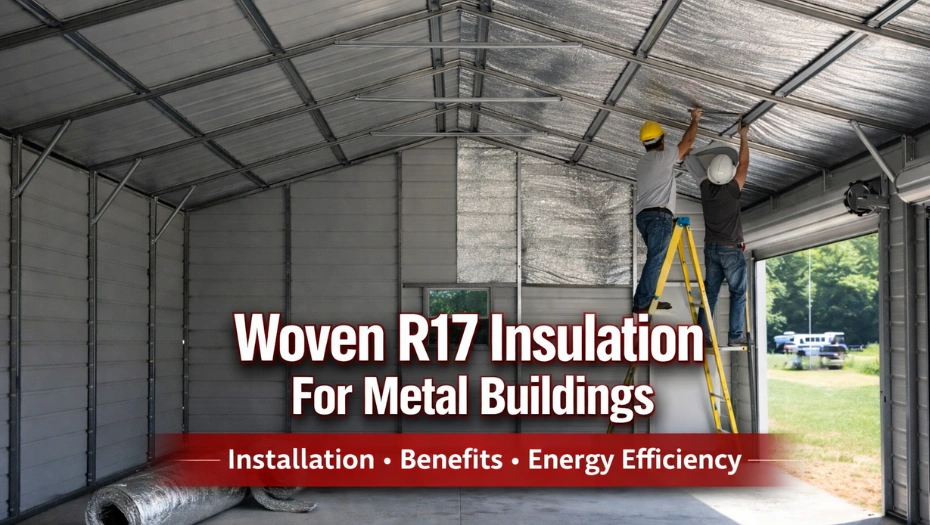
Know More About Insulation: Single Bubble vs. Double Bubble vs. Woven R-17 Insulation: What Works Better?
How Proper Maintenance Saves Money on Metal Farm Buildings
Let’s put real numbers to it. Take a standard 40×60 metal farm building and run two scenarios side by side.
Scenario A: You Maintain It
|
What You Spend |
Cost |
|
Twice-yearly inspections + cleaning |
$200–$500/yr |
| Minor rust touch-ups and fastener checks |
$100–$200/yr |
| Total over 30 years |
$10,000–$15,000 |
Scenario B: You Skip Maintenance
|
What It Eventually Costs You |
Cost |
|
Single panel replacement |
$300–$800 per panel |
|
Roof section repair |
$1,500–$4,000 |
|
Foundation remediation |
$5,000+ |
|
Total over 30 years |
$40,000–$60,000 |
| Early full replacement (year 20) |
$35,000–$80,000 |
The gap? Up to $50,000 or more – on the same building.
And that is before you factor in what happens when you sell. Buyers walking through agricultural land price everything they see. A steel farm building with clean panels, tight fasteners, and no visible rust adds to your asking price. A building with leaking roof sections, surface corrosion, and foundation cracks hands the buyer a reason to negotiate you down hard.
Think of maintenance as a payment plan for longevity. Spending $350 a year is simply choosing to pay a little now rather than a lot later.
The math is not complicated. The discipline to act on it is what separates farms that get 50 years from a building from those that replace it at 20.
Your Metal Farm Building Works Hard – Maintain It the Same Way
Steel farm buildings are one of the most resilient investments you can make for your operation. They are designed to handle decades of hard use across every kind of weather. But resilience is not the same as invincibility. A consistent maintenance routine, built around twice-yearly inspections, proper cleaning, rust prevention, and seasonal checks, is what turns a 30-year building into a 50-year building.
Start with the seasonal checklist above, build your inspection schedule, and address small issues the moment you find them. The time and cost involved are minimal. The long-term return, both in avoided repairs and extended building life, is significant.
Also Read This: Essential Equipment Every Livestock Barn Should Have
Frequently Asked Questions
How often should metal farm buildings be inspected?
At a minimum, inspect your metal farm building twice a year, in spring and fall. A spring inspection catches any damage from winter weather. A fall inspection lets you address any issues before the next cold season. After major storms, do a quick visual check regardless of your regular schedule.
Do steel farm buildings rust easily?
Quality steel farm buildings are made with galvanized or Galvalume coatings that provide strong corrosion resistance. They do not rust easily under normal conditions. The most vulnerable areas are scratches, cut edges, and fastener points where the coating has been disturbed. Treating these spots promptly prevents rust from spreading.
Can you repaint a metal agricultural building?
Yes, metal agricultural buildings can be repainted. Clean the surface thoroughly, remove any loose rust with light sanding, apply a zinc-based primer to bare metal areas, and finish with a high-quality exterior metal paint. Many manufacturers sell color-matched touch-up products specifically for their panels.
How do you prevent condensation in metal ag buildings?
The most effective combination is proper insulation on walls and roof panels, paired with adequate ventilation through ridge vents and eave openings. Insulation reduces the temperature differential that causes condensation, while ventilation removes moist air before it can accumulate and settle on cool surfaces.
What is the lifespan of prefab farm buildings?
Well-built prefab farm buildings last 30 to 50 years with proper maintenance. The actual lifespan depends on the steel quality and coating, the local climate, how the building is used, and how consistently it is maintained. Structures in high-humidity or coastal environments may need more frequent rust checks to reach the upper end of that range.
What cleaning products are safe to use on metal farm buildings?
Use mild dish soap or a purpose-made metal panel cleaner diluted in water, applied with a soft brush or low-pressure hose. Avoid bleach, acidic cleaners, and abrasive scrubbing pads. These strip protective coatings and increase vulnerability to corrosion over time.
Do metal farm buildings need gutters?
Gutters and downspouts are strongly recommended. They direct roof runoff away from the foundation, prevent soil erosion at the building base, and reduce the moisture load around column anchor points. On larger agriculture metal buildings, properly sized gutters also protect the surrounding ground from channeling erosion during heavy rainfall.




 Alabama AL

 American Steel Carports Inc.